Are you considering a gecko as a pet in 2026? This comprehensive guide provides everything you need to know about keeping these fascinating reptiles. From choosing the right species like the popular Leopard Gecko or Crested Gecko, to setting up their ideal habitat, feeding routines, and ensuring their long-term health, we cover all the essentials. Discover expert tips on enclosure maintenance, temperature regulation, humidity control, and proper diet. Learn about common gecko behaviors, potential health issues, and how to create a stimulating environment for your new companion. This resource is packed with navigational and informational insights for both new and experienced gecko enthusiasts, ensuring your pet thrives. We explore popular gecko breeds, their unique care requirements, and what makes them such rewarding pets for many households across the USA. Get ready to welcome a captivating new friend into your home.
a gecko as a pet FAQ 2026 - 50+ Most Asked Questions Answered (Tips, Trick, Guide, How to, Bugs, Builds, Endgame)
Welcome to the ultimate living FAQ for keeping a gecko as a pet, updated for 2026! Navigating the world of reptile care can be complex, but this comprehensive guide is designed to clarify common queries, debunk myths, and provide you with actionable insights. We’ve scoured the latest trends, veterinary advice, and community discussions to bring you the most current information on gecko husbandry. Whether you're a beginner contemplating your first scaled friend or an experienced keeper looking to refine your practices, this resource covers everything from basic setup and feeding to advanced care techniques and troubleshooting. Get ready to enhance your gecko's life and your pet ownership journey with these expert tips, tricks, and essential guidance!
Beginner Questions
Is a gecko a good pet for a beginner?
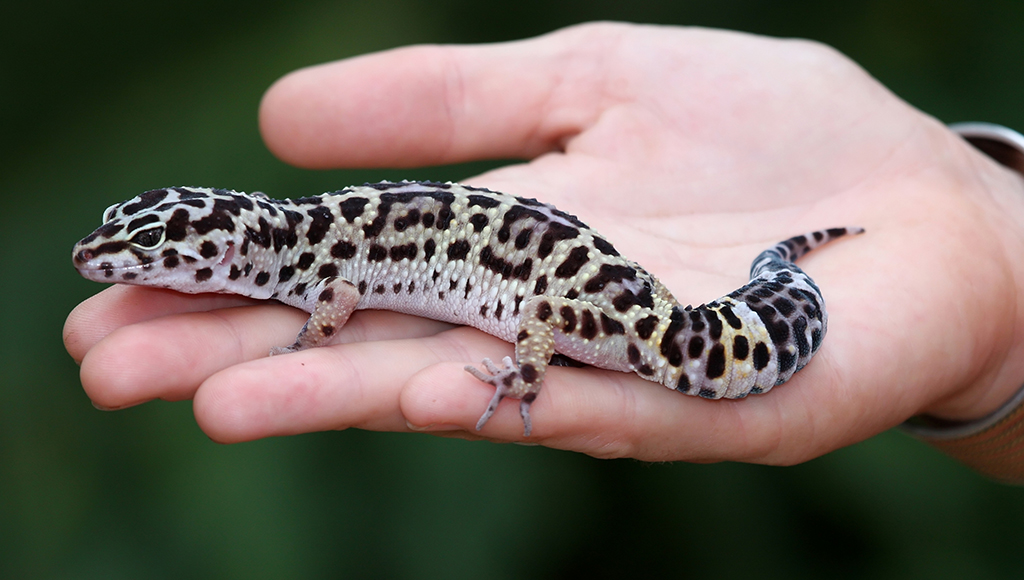
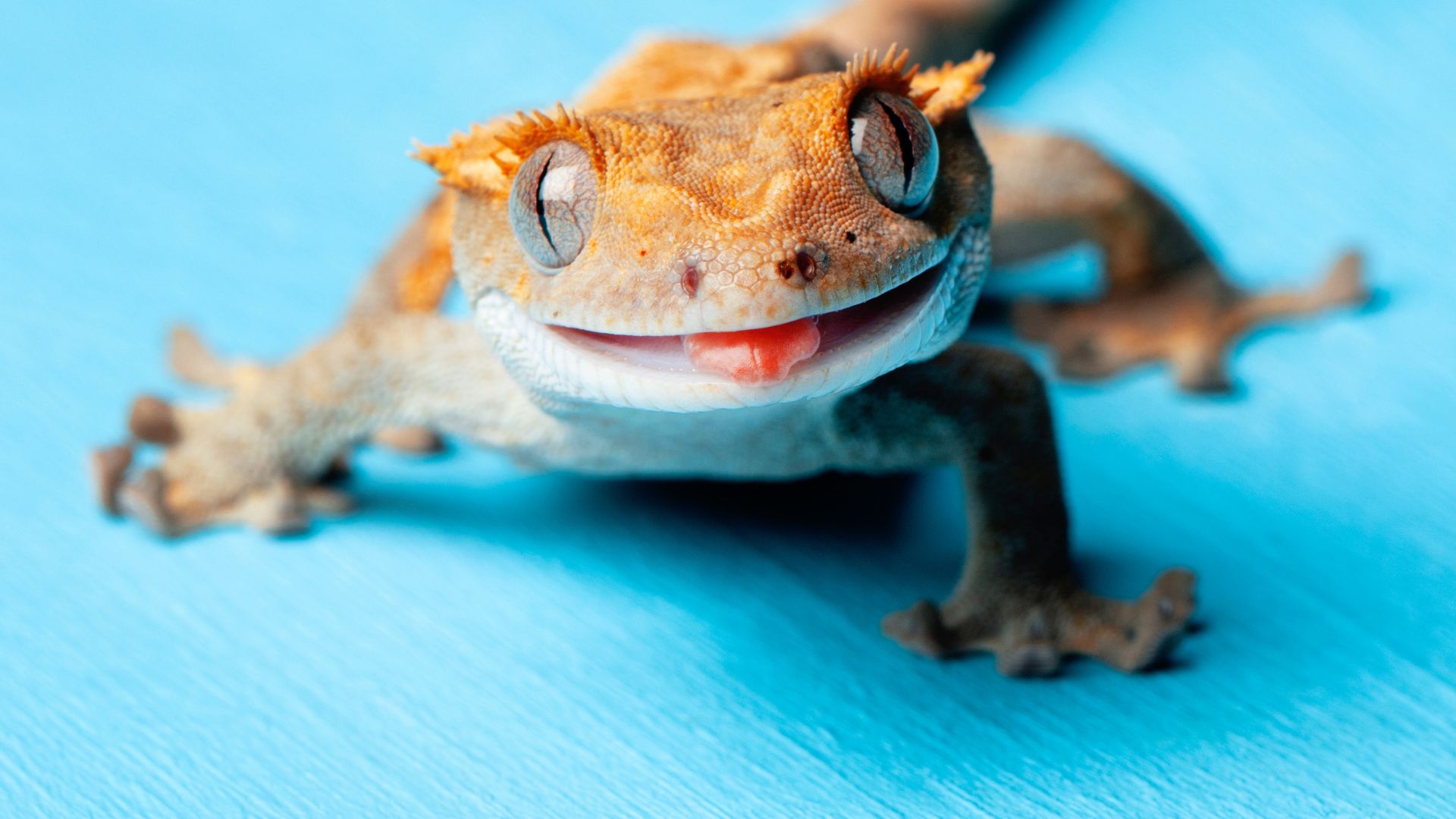
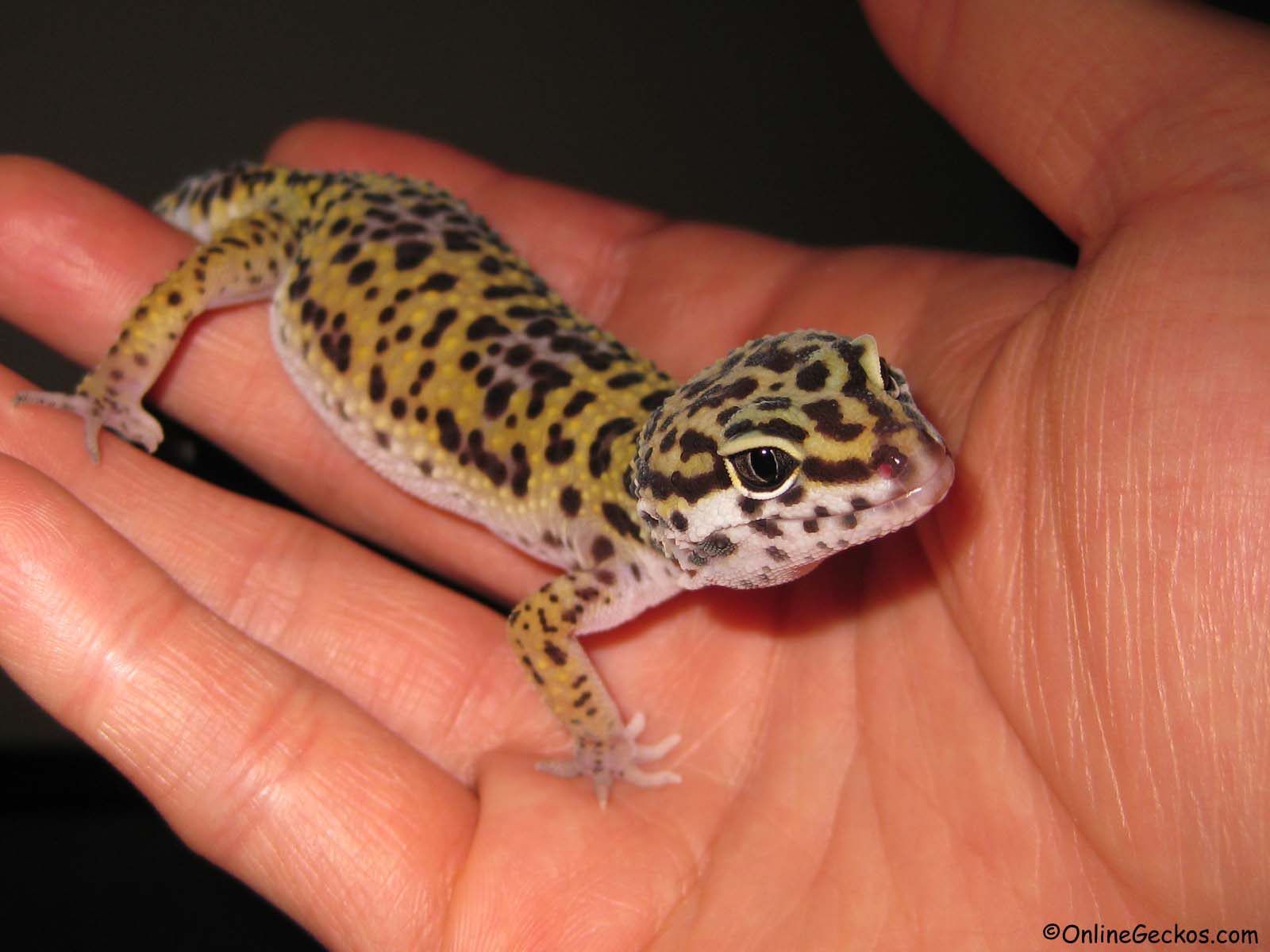
Yes, many gecko species, like the Leopard Gecko and Crested Gecko, are excellent choices for beginners due to their docile nature, relatively simple care requirements, and resilience. They are captivating to observe and can become quite accustomed to gentle handling, making them rewarding first reptiles. Ensure you research specific species needs before committing.
What is the easiest gecko to take care of?
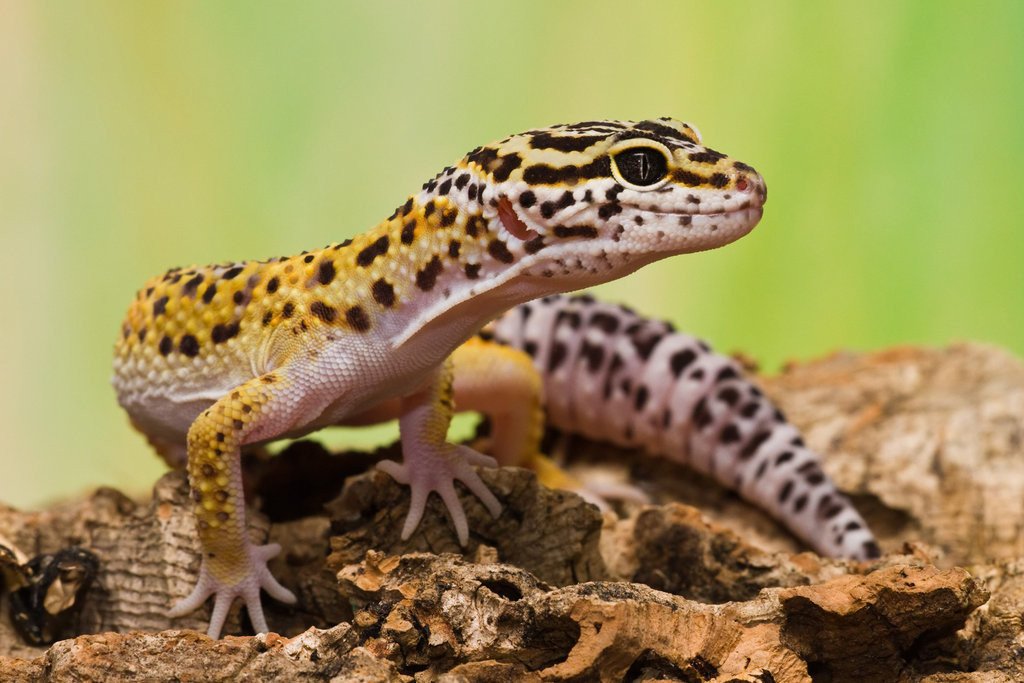
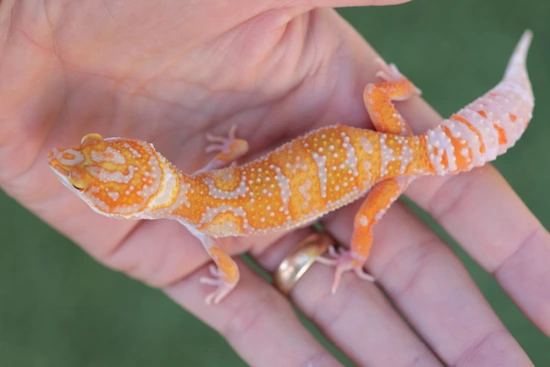
The Leopard Gecko (Eublepharis macularius) is widely considered the easiest gecko to care for, thanks to its robust health, clear husbandry guidelines, and tolerance for handling. They thrive on a diet of readily available insects and require a straightforward enclosure setup, ideal for novice reptile enthusiasts. Crested geckos are also very popular and easy.
How long do geckos live as pets?
The lifespan of a pet gecko varies significantly by species. Leopard Geckos typically live 10-20 years with proper care, while Crested Geckos can live 15-20 years or even longer. Investing in quality husbandry, nutrition, and veterinary care can greatly extend your gecko's life. This long commitment should be a key consideration.
What kind of enclosure does a gecko need?
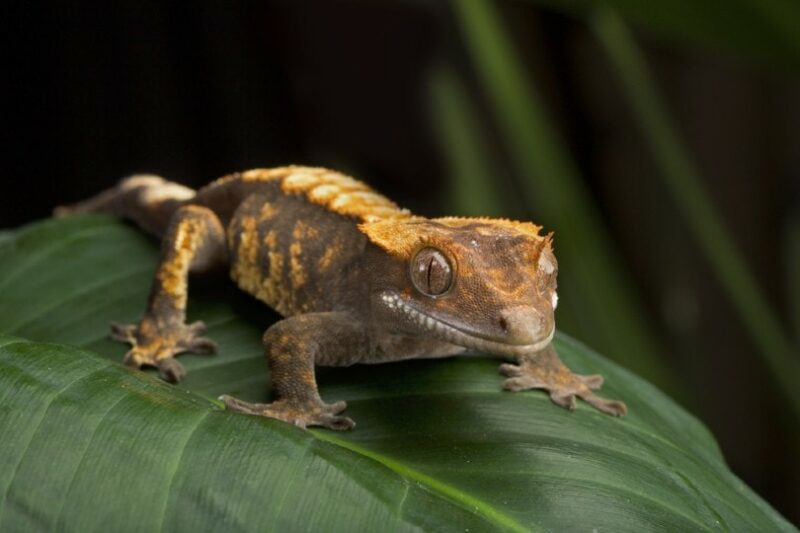
A gecko's enclosure needs depend on its species. Leopard Geckos require a 20-gallon long tank with a heat mat, multiple hides, and a dry substrate. Crested Geckos need a vertical 12x12x18 inch (minimum) terrarium with climbing branches, foliage, and high humidity, thriving in ambient room temperatures. Proper setup is crucial for their well-being.
What do geckos eat, and how often?
Most pet geckos eat insects like crickets, mealworms, and dubia roaches, dusted with calcium and vitamins. Leopard Geckos eat every 2-3 days as adults. Crested Geckos consume a powdered meal replacement diet (CGD) mixed with water, supplemented with insects a few times weekly. Juveniles eat more frequently than adults.
Enclosure Builds & Setup
What's the best substrate for a leopard gecko?
For Leopard Geckos, solid substrates like paper towels or reptile carpet are ideal for beginners due to ease of cleaning and minimal impaction risk. Experienced keepers can use a 70/30 organic topsoil/play sand mix to create a more naturalistic, enriching, and diggable environment, provided humidity is managed. Avoid pure sand. Tips: always bake natural soil to sterilize it.
How do I set up a bioactive terrarium for my gecko?
Setting up a bioactive terrarium involves creating a self-sustaining ecosystem. Start with a drainage layer, a substrate barrier, and a reptile-safe organic topsoil mix. Add live, non-toxic plants, and introduce a 'clean-up crew' of isopods and springtails to process waste. Ensure proper lighting (UVB/grow lights) and monitor humidity closely for success. Trick: allow it to cycle for a few weeks before adding your gecko.
What kind of heating and lighting do geckos need?
Leopard Geckos require a primary heat source (under-tank heat mat with a thermostat) for belly heat and a low-level UVB bulb (2-5%) for bone health. Crested Geckos generally thrive at room temperature but benefit from a light cycle (LED) for circadian rhythms, needing supplemental heat only if room temps drop too low. Always use thermostats for safety. Tip: Use a timer for consistent light cycles.
How important is humidity for geckos?
Humidity is critically important but varies by species. Crested Geckos need high humidity (60-80% at night) maintained by misting, crucial for shedding and respiratory health. Leopard Geckos prefer arid conditions but require a moist hide (70-80% humidity) to aid in shedding. Monitoring with a hygrometer prevents issues like retained shed or respiratory infections.
Feeding & Nutrition
What insects are best for feeding geckos?
Crickets, dubia roaches, and mealworms are excellent staple insects for most insectivorous geckos like Leopard Geckos. Waxworms and superworms can be offered sparingly as treats due to their higher fat content. Always gut-load feeder insects with nutritious fruits and vegetables 24-48 hours before feeding to maximize nutritional value for your gecko.
How often should I dust my gecko's food with supplements?
For Leopard Geckos, dust food with plain calcium carbonate powder at almost every feeding (3-4 times a week) and with a multivitamin supplement containing D3 (without pre-formed D3 if using UVB) 1-2 times a week. Crested Geckos on CGD still benefit from occasional dusted insects. Consistency is key for preventing metabolic bone disease. Tip: a tiny pinch is usually enough.
Can geckos eat fruit or vegetables?
Leopard Geckos are insectivores and should not eat fruits or vegetables. Crested Geckos are omnivores and their powdered meal replacement diet contains fruit. While occasional pureed fruit (like ripe banana or mango) can be offered as a very rare treat, their primary diet should be CGD. Always avoid citrus fruits for all geckos. Myth: Leopard Geckos enjoy fruit - Reality: They are insectivores and fruit offers no nutritional value.
Health & Wellness
How do I know if my gecko is sick?
Signs of a sick gecko include lethargy, sunken eyes, weight loss (especially a thin tail), refusing food for extended periods, retained shed, abnormal droppings, open-mouth breathing, or swelling. Any significant change in behavior or appearance warrants close observation and often a visit to a reptile veterinarian. Early detection is vital for successful treatment.
What is metabolic bone disease (MBD) in geckos?
Metabolic Bone Disease (MBD) is a severe and common illness in geckos caused by insufficient calcium intake, lack of D3, or inadequate UVB exposure. Symptoms include rubbery jaw, bone deformities, lethargy, and tremors. It's preventable with proper diet supplementation and appropriate lighting. If suspected, urgent veterinary care is necessary. Myth: MBD is rare - Reality: It's one of the most common issues from improper care.
How to treat retained shed on a gecko?
To treat retained shed, especially around toes or eyes, increase the humidity in your gecko's enclosure slightly. You can also give your gecko a 'sauna' by placing it in a small container with warm, damp paper towels for 15-20 minutes. The moisture helps soften the skin, allowing the gecko to remove it. Never pull the skin off forcibly. If persistent, consult a vet.
What are common gecko skin problems?
Common gecko skin problems include retained shed, fungal infections (often presenting as discolored patches), and bacterial infections (can appear as red, inflamed areas or blisters). These issues are frequently linked to improper humidity or unsanitary conditions. Proper husbandry and a clean environment are the best preventative measures. Always consult a vet for persistent skin issues. Myth: Just pull off the shed - Reality: This can cause serious injury.
Behavior & Handling
Can geckos bite, and does it hurt?
Geckos can bite, especially if they feel threatened or are startled. Leopard Gecko bites are usually harmless to humans, feeling like a strong pinch, though they can break the skin slightly. Crested Gecko bites are even less impactful due to their smaller size. While not typically aggressive, handling gently and calmly minimizes the likelihood of a bite. It's more startling than painful.
How can I make my gecko more comfortable with handling?
To make your gecko comfortable with handling, start slowly with short, consistent sessions in a safe, enclosed space. Allow them to crawl onto your hands rather than grabbing them. Always support their full body and avoid sudden movements. Gradually increase handling time as they become more relaxed. Patience and gentle interaction build trust over time. Trick: Offer a treat (like a dusted mealworm) after handling.
Why is my gecko hiding all the time?
Geckos are naturally crepuscular or nocturnal, so hiding during the day is normal behavior. However, excessive hiding, even at night, can indicate stress, illness, or an inadequate enclosure. Ensure they have enough appropriate hides, proper temperatures, and feel secure in their environment. If hiding persists with other symptoms, consult a vet. Myth: Hiding means they're anti-social - Reality: It's a natural behavior that needs to be accommodated.
Myth vs Reality
Myth: All geckos are solitary and cannot be housed together.
Reality: While many geckos are solitary, some species can be cohabited successfully in specific circumstances, primarily females of the same species and similar size. Males are almost always territorial and should not be housed together. For beginners, it's safest to keep geckos individually to avoid stress, bullying, and potential injury. Always research species-specific cohabitation guidelines thoroughly.
Myth: Geckos don't need UVB lighting because they're nocturnal.
Reality: This is a persistent myth! While many geckos are nocturnal or crepuscular, species like Leopard Geckos still benefit significantly from low-level UVB exposure (2-5% strength) to synthesize Vitamin D3, essential for calcium absorption and preventing Metabolic Bone Disease. Even nocturnal species can have incidental exposure in the wild. Always provide species-appropriate lighting. Build: Include a low-wattage UVB light in your setup.
Myth: Sand is a natural and healthy substrate for desert geckos.
Reality: For most pet geckos, especially Leopard Geckos, sand is a dangerous substrate that can lead to impaction if ingested. While some desert species live on sand in the wild, captive conditions often don't allow for the same natural behaviors or food sources. Safe alternatives include paper towels, reptile carpet, or a soil/sand mix. Impaction can be fatal. Myth: Sand is natural - Reality: It's extremely risky in captivity.
Myth: Geckos are low-maintenance pets that don't require much attention.
Reality: While geckos don't require daily walks, they demand specific and consistent care. This includes precise temperature and humidity control, a balanced diet with supplements, regular enclosure cleaning, and monitoring for health issues. Proper husbandry is crucial for their long lifespan. They are not 'set it and forget it' pets and require dedicated attention. Tip: Daily spot cleaning keeps things fresh.
Myth: All geckos eat the same diet.
Reality: Gecko diets vary widely by species. Leopard Geckos are insectivores, thriving on a variety of feeder insects. Crested Geckos are omnivores, requiring a specialized powdered meal replacement diet supplemented with insects. Other species might be frugivores or even eat small vertebrates. Always research your specific gecko's dietary needs to ensure proper nutrition. Myth: One diet fits all - Reality: Diets are highly species-specific.
Advanced Care & Troubleshooting
What are signs of a gecko being too hot or too cold?
A gecko that is too hot may become lethargic, gape with its mouth open, or stay in the coolest part of its enclosure. A gecko that is too cold will also be lethargic, have difficulty digesting food, or refuse to eat. Both extremes are dangerous. Always use a thermometer and thermostat to maintain appropriate temperature gradients. Troubleshooting: Adjust heat sources immediately if temperatures are off.
How do I create an enriching environment for my gecko?
An enriching environment includes varied climbing structures, multiple hides (including a moist hide), different textures, and opportunities for natural behaviors like digging or exploring. Regularly rearranging elements, offering puzzle feeders, or introducing safe new items can stimulate mental and physical activity. Enrichment prevents boredom and promotes natural behaviors, leading to a healthier, happier gecko. Builds: Use natural branches, cork bark, and artificial plants.
What are common causes of stress in geckos?
Common causes of stress in geckos include improper temperatures or humidity, inadequate hiding spots, an enclosure that is too small, loud noises, sudden movements, excessive handling, or aggressive tank mates (if cohabiting). Chronic stress weakens their immune system and can lead to illness. Ensure a stable, secure, and quiet environment to minimize stress. Guide: Observe their behavior for signs of stress.
Still have questions?
Dive deeper into specific topics with our related guides:
- Ultimate Leopard Gecko Setup Guide 2026
- Crested Gecko Advanced Feeding Strategies
- Troubleshooting Common Gecko Illnesses
- Bioactive Terrarium Masterclass for Reptiles
So, you're curious about bringing a tiny, scaled companion into your life, specifically a gecko? Many people wonder, "Are geckos good pets for beginners?" or "What does it really take to keep a gecko happy and healthy in 2026?" It's a fantastic question to ask, and honestly, a lot of folks jump into pet ownership without truly understanding the commitment. These little reptiles, with their enchanting eyes and unique personalities, can be incredibly rewarding pets. However, they aren't just display animals; they require specific care to thrive. We're talking about more than just food and water; it's about creating a miniature ecosystem that mimics their natural environment, providing everything they need to live a full, vibrant life right in your home. Let's peel back the layers and explore what makes these creatures such captivating companions.
Beginner / Core Concepts
1. Q: I'm totally new to reptiles. Which gecko species is best for a first-time owner?
A: Hey there, I totally get why this is the first thing on your mind! Choosing the right species is crucial for a great start. For beginners, the Leopard Gecko (Eublepharis macularius) is usually the champion, no question. They're super hardy, pretty docile, and their care requirements are well-documented. You'll find a ton of resources for them, which is a huge plus. Crested Geckos (Correlophus ciliatus) are another fantastic option, especially if you prefer a non-heating setup, as they thrive at room temperature. Both are generally chill, easy to handle with patience, and have distinct, engaging personalities. It’s all about finding a good fit for your lifestyle, truly. You've got this!
2. Q: What's the absolute minimum enclosure size a single gecko needs to be comfortable?
A: This one used to trip me up too, because you see so many conflicting answers! For a single adult Leopard Gecko, you're looking at a 20-gallon long tank as the minimum. A 20-gallon tank provides adequate space for temperature gradients and enrichment items. For an adult Crested Gecko, a 12x12x18 inch (10-gallon equivalent) terrarium is the bare minimum, but honestly, an 18x18x24 inch (20-gallon equivalent) is far better. Bigger is almost always better for reptiles, allowing for more climbing, hiding, and exploring. Remember, these are living creatures, and providing ample space really impacts their overall well-being. Think about giving them room to roam! Try this tomorrow and let me know how it goes.
3. Q: Do geckos need special lighting or heating, or is room temperature fine?
A: Ah, lighting and heating are absolutely vital for most geckos, and it's where many beginners make mistakes. Leopard Geckos, being crepuscular, need a heat source to create a proper temperature gradient, usually a heat mat under one side of the tank. They also benefit from a low-level UVB light (2-5%) for bone health, even though they aren't strictly diurnal. This UVB helps them synthesize Vitamin D3, essential for calcium absorption. Crested Geckos, on the other hand, are nocturnal and typically do well at ambient room temperatures (70-75°F or 21-24°C). However, even nocturnal species can benefit from a faint, naturalistic light cycle to regulate their internal clocks. Always research your specific gecko species! Don't skimp on this, it's a game-changer for their health.
4. Q: What do geckos eat, and how often should I feed them?
A: I get why this is a common question, because a hungry gecko is not a happy gecko! Most popular pet geckos are insectivores or omnivores. Leopard Geckos primarily eat insects like crickets, mealworms, and dubia roaches. They need these insects dusted with calcium and multivitamin supplements regularly. Adult Leopard Geckos typically eat every 2-3 days. Crested Geckos, however, are omnivores and thrive on a specially formulated powdered gecko diet (CGD) mixed with water, supplemented with live insects a few times a week. Juveniles eat daily, while adults can be fed every other day. It’s important to offer variety and ensure proper gut-loading of feeder insects for optimal nutrition. You've got this!
Intermediate / Practical & Production
5. Q: How do I properly set up a gecko's enclosure to ensure they're healthy and happy?
A: Setting up the enclosure correctly is like building their whole world, and it's a really rewarding part of owning a gecko. You'll want to focus on a few key elements. First, substrate: avoid sand for leopard geckos; use paper towels, reptile carpet, or a safe loose substrate like a coco fiber/soil mix for crested geckos. Second, provide at least three hides for leopard geckos: a warm dry hide, a cool dry hide, and a moist hide for shedding. Crested geckos need plenty of climbing branches, vines, and foliage. Ensure proper heating for leopard geckos with a thermostat-controlled under-tank heater. Maintain humidity for crested geckos by misting daily. Don't forget a shallow water dish. Getting this right from day one prevents a lot of headaches later on. It’s all about attention to detail here. Your gecko will thank you!
6. Q: My gecko isn't eating much, and I'm worried. What should I do?
A: Okay, this is definitely concerning, and it's natural to be worried when your pet isn't eating. The first thing is not to panic, but to systematically check a few things. Is their enclosure temperature correct? Incorrect temperatures can slow metabolism. Have you offered variety in their diet? Sometimes they just get bored. Are they due for a shed? Many geckos reduce eating before or during a shed. Check for signs of stress, like hiding more than usual, or any physical changes like weight loss. If temperatures are correct, and they've refused food for more than a week, especially if other symptoms are present, it’s time to consult an experienced reptile veterinarian. Early intervention is key here, so don't hesitate. This is a common hurdle, but you can navigate it!
7. Q: How do I know if my gecko is sick, and what are common signs to watch for?
A: Knowing the subtle signs of illness can literally save your gecko's life, so kudos for asking! A healthy gecko is active, alert, and has clear eyes. Watch out for lethargy, sunken eyes, or a significant change in behavior. Weight loss, a 'stick tail' (very thin tail), or undigested food in their droppings are red flags. Open-mouth breathing or bubbles around the nose indicate respiratory issues. Swollen limbs or deformities can point to Metabolic Bone Disease, often from improper calcium/UVB. Any sudden refusal to eat for an extended period, unusual swelling, or skin lesions warrant immediate veterinary attention. Don't wait; these tiny creatures can go downhill quickly. Trust your gut if something feels off. You're their advocate!
8. Q: Can I handle my gecko, and what's the best way to do it without stressing them?
A: Yes, you absolutely can handle many geckos, and it can be a really bonding experience! However, patience is your best friend. Start with short, gentle sessions, perhaps 5-10 minutes, once your gecko is settled in (after about two weeks). Always approach slowly and from the side, never from above, which can feel predatory. Scoop them up gently from underneath with both hands, supporting their body fully. Avoid grabbing their tail, as some species can drop them as a defense mechanism. Always handle them in a safe, enclosed space so they can't escape if they jump. Consistent, calm handling helps build trust. It's a gradual process, but very rewarding. Take it slow, and they'll get used to you. You've got this!
9. Q: What's the deal with gecko shedding, and how can I help my pet through it?
A: Gecko shedding, or ecdysis, is a completely natural and fascinating process! They basically outgrow their skin, much like we grow out of clothes. You'll notice their skin becoming dull and opaque, and they might appear a bit cloudy. For Leopard Geckos, having a moist hide with damp sphagnum moss or paper towels is crucial. This humidity helps them loosen the old skin so they can easily peel it off and typically eat it (recycling nutrients!). For Crested Geckos, regular misting of their enclosure is usually enough to support healthy shedding. Never try to pull off shed skin, as it can injure them. If you notice retained shed, especially around the toes or eyes, increase humidity slightly and gently try a 'sauna' in a container with a damp paper towel. Proper shedding is a sign of a healthy gecko. Keep an eye on it! Try this tomorrow and let me know how it goes.
10. Q: How important is humidity for geckos, and how do I maintain it correctly?
A: Humidity is incredibly important, but the 'correct' level varies wildly by species, so it's not a one-size-fits-all thing. For arid species like Leopard Geckos, ambient humidity isn't a huge concern, but a moist hide is critical for shedding and hydration. For tropical species like Crested Geckos, high humidity (60-80% at night, dropping to 40-60% during the day) is essential. You maintain this by misting the enclosure daily or every other day with dechlorinated water. Use a hygrometer to monitor levels accurately. Too low humidity for tropical geckos can lead to shedding problems and respiratory issues, while too high for arid geckos can cause skin infections. It's all about precision here, folks. Your gecko needs that environmental balance!
Advanced / Research & Frontier 2026
11. Q: What are the latest advancements in gecko husbandry, especially regarding nutrition and enrichment in 2026?
A: This is where it gets really exciting, as husbandry is always evolving! In 2026, we're seeing advanced research into specific amino acid profiles for feeder insects and gut-loading techniques, moving beyond generic calcium dust. Specialized insect diets are becoming more common, targeting optimal nutrient ratios. For enrichment, beyond the standard hides, modular terrarium designs with interchangeable climbing structures and 'puzzle feeders' are gaining traction. Think smart feeders that require geckos to work for their food, stimulating natural foraging behaviors. We're also seeing more focus on bioactive setups that create self-sustaining mini-ecosystems, offering constant environmental enrichment and reducing maintenance. It's about moving from basic survival to thriving with complex environments. These innovations make pet ownership more engaging. You've got this!
12. Q: I'm thinking about breeding geckos. What are the ethical considerations and practical steps?
A: Breeding is a huge step, and it's awesome you're thinking about the ethics first! The primary consideration is ensuring you have homes for all offspring; overpopulation is a real issue. Do you have the space, time, and financial resources for potentially dozens of hatchlings? Genetically, avoid breeding closely related geckos to prevent inbreeding depression. You also need to understand genetics if you're aiming for specific morphs. Practically, you'll need separate enclosures for gravid females, incubation setups, and individual containers for hatchlings. Research the specific breeding requirements for your gecko species, including brumation if necessary. Always prioritize the health and welfare of your geckos above all else. This isn't just a hobby; it's a serious responsibility. Try this tomorrow and let me know how it goes.
13. Q: How do bioactive terrariums benefit geckos, and what are the challenges in setting one up?
A: Bioactive terrariums are amazing because they mimic a natural ecosystem, and it’s a trend that's really exploded by 2026. The benefits are huge: a more stable environment, natural waste decomposition by 'clean-up crews' (isopods, springtails), and continuous enrichment as geckos explore a living environment. Challenges include the initial setup cost and complexity. You need specific substrates (a drainage layer, substrate barrier, and organic topsoil mix), appropriate live plants, and the clean-up crew. Proper lighting (LED grow lights) and humidity regulation are critical to keep plants and microfauna thriving. It takes research and patience to balance everything, but once established, maintenance can actually be lower. It's a commitment, but the rewards for your gecko are immense. Don't be afraid to dive in!
14. Q: What are the common misconceptions about gecko health or behavior that owners still believe?
A: Oh, there are so many lingering myths out there, even in 2026! One big one is that Leopard Geckos only need a heat lamp or heat mat and no UVB. False! While crepuscular, low-level UVB significantly improves their long-term health and prevents Metabolic Bone Disease. Another myth is that geckos are purely solitary and don't need enrichment. While solitary, they absolutely benefit from varied climbing structures, different textures, and even foraging toys. Some still believe all geckos need sand, which is a big no-no for many, causing impaction. And the idea that all geckos are shy; many species can become quite outgoing and interactive with consistent, gentle handling. Always question old information and seek out current research. It's about continually learning for their benefit. You're making smart choices by asking!
15. Q: What advanced techniques are used for diagnosing and treating complex gecko illnesses in 2026?
A: Veterinary medicine for reptiles has made huge leaps, and in 2026, we're seeing incredible advancements. Beyond standard blood work and fecal tests, advanced diagnostics include micro-CT scans for detailed bone and organ imaging, laparoscopic endoscopy for internal examination with minimal invasiveness, and even genetic screening for predispositions to certain conditions. Treatment-wise, targeted medications are more precise, and even specialized surgeries are becoming more common for complex issues like tumor removal or impactions. Rehabilitation protocols include advanced nutritional support and environmental therapy tailored to the species. Finding a board-certified reptile vet is paramount for these advanced techniques. They're basically tiny reptile surgeons now! It's a testament to how far we've come in understanding these incredible animals.
Quick 2026 Human-Friendly Cheat-Sheet for This Topic
- Always research your specific gecko species' needs before buying.
- Invest in proper enclosure size, heating, and lighting from day one.
- Never feed wild-caught insects; they can carry parasites.
- Monitor temperatures and humidity with reliable digital gauges.
- Provide a moist hide for shedding and hydration, especially for Leopard Geckos.
- Handle your gecko gently and consistently to build trust.
- Find a good reptile vet *before* an emergency arises – it's a lifesaver!
Leopard Gecko care, Crested Gecko setup, ideal gecko habitat, gecko feeding guide, common gecko health issues, gecko behavior, enclosure maintenance tips, temperature and humidity control, gecko species guide, long-term gecko care, best substrates for geckos, gecko lighting requirements, handling geckos safely, understanding gecko diet, signs of a healthy gecko, troubleshooting gecko problems, breeding geckos responsibly, selecting a healthy gecko, enriching gecko environment, lifespan of pet geckos
35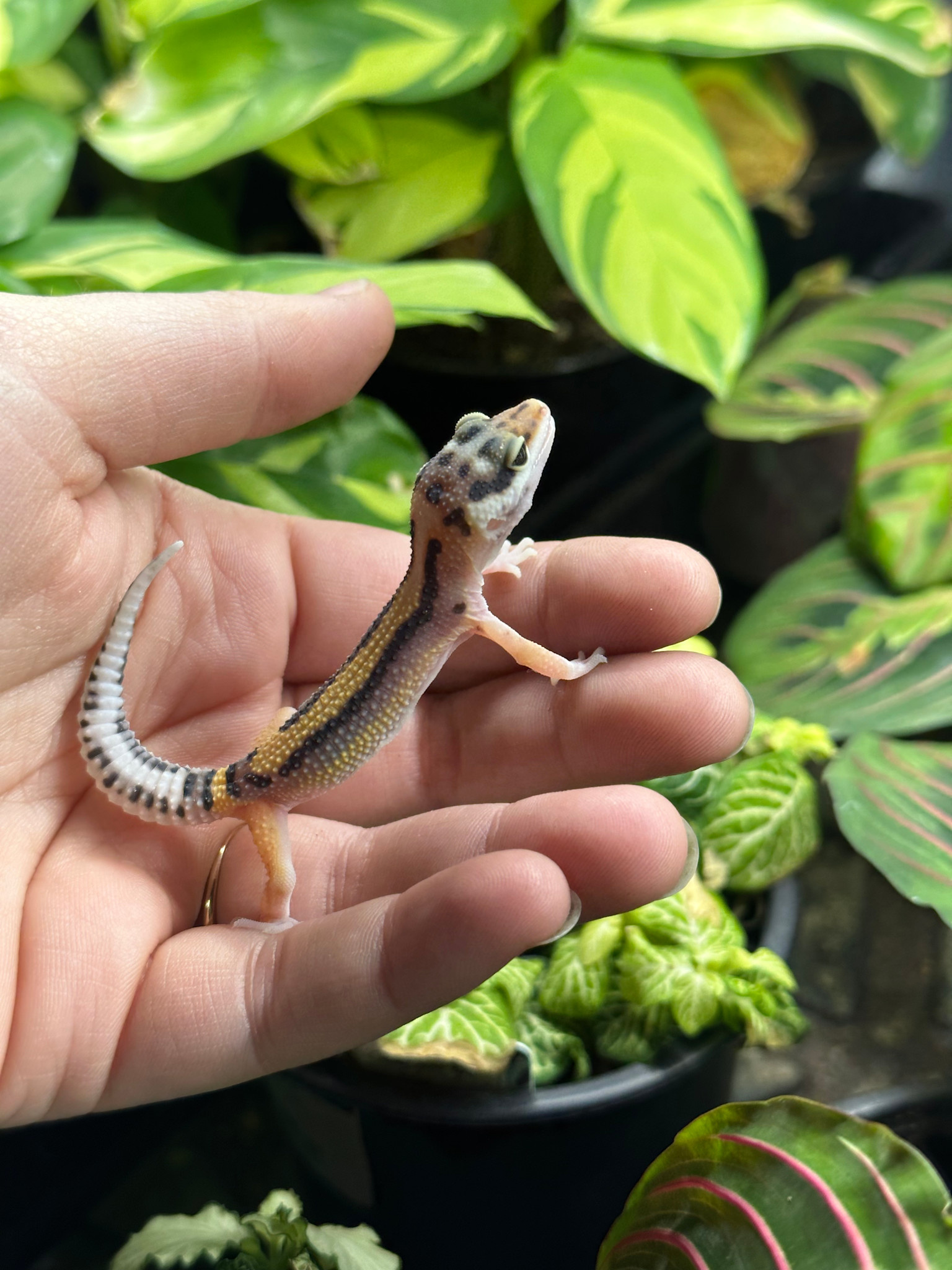
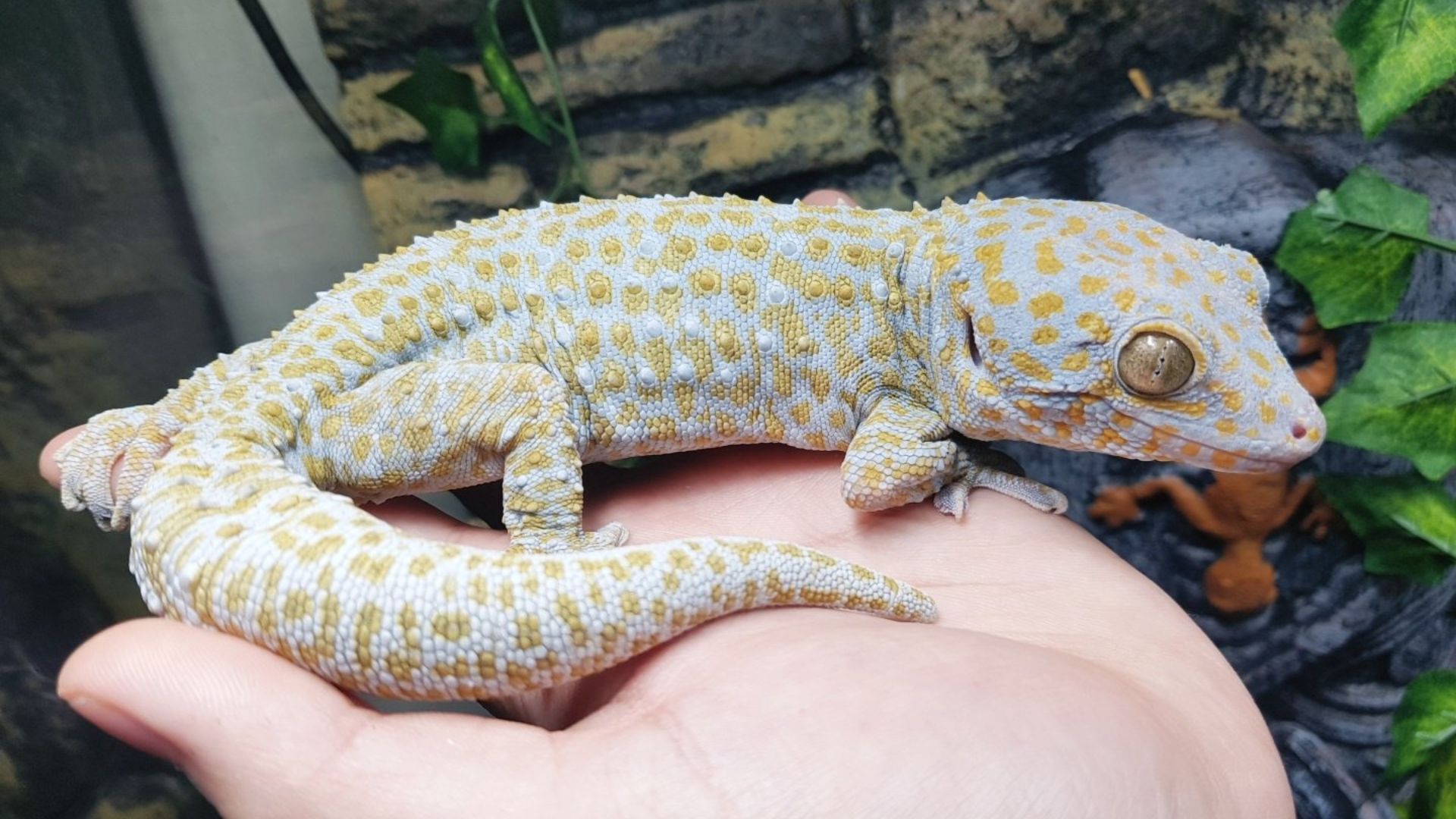


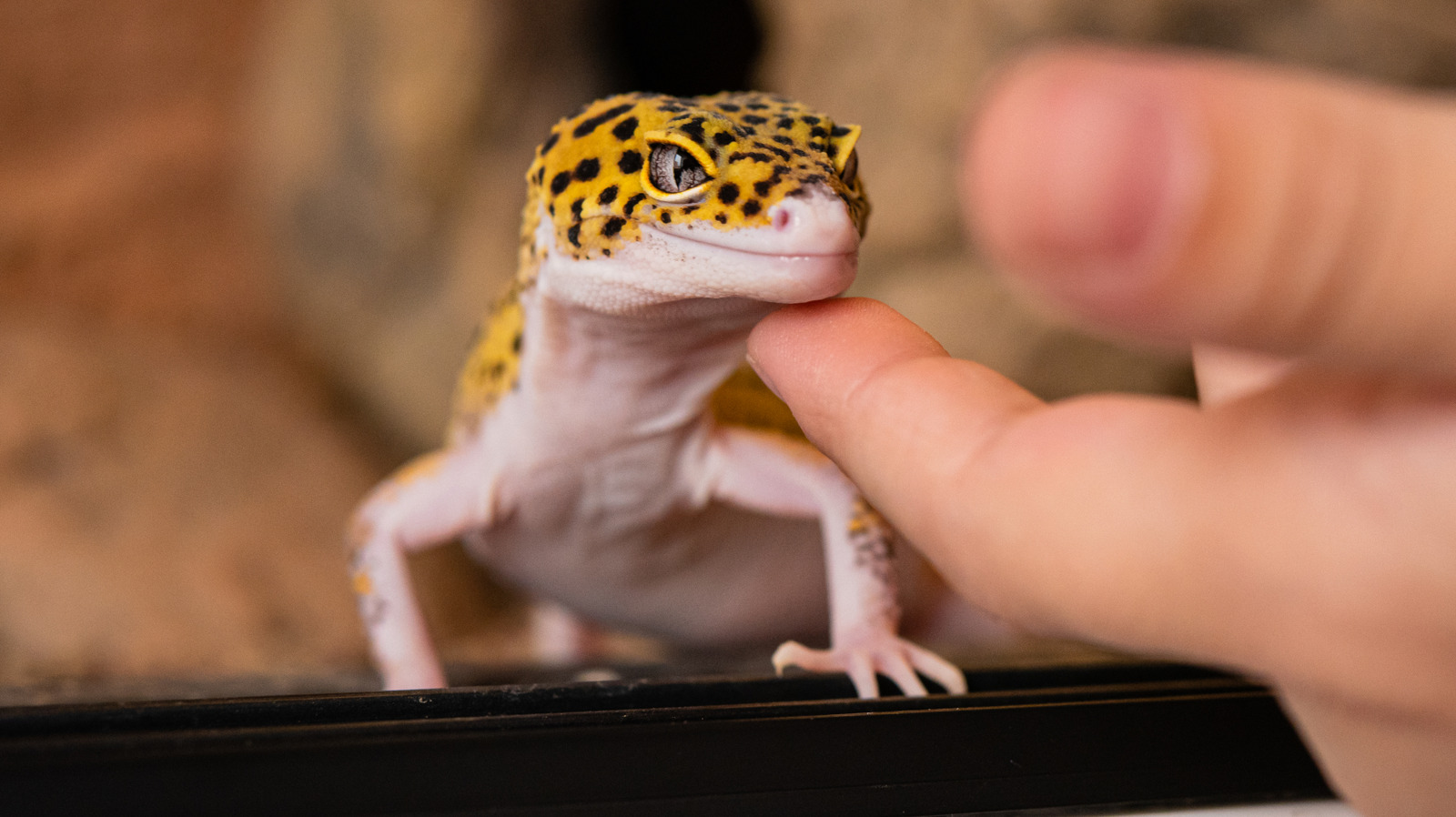
Best Calico Fire Fox Leopard Gecko Young Adult In 2026 Ultimate Reptile Stripe Leopard Gecko . Tokay Gecko Morphs Your Guide For 2026 Pet Engineers Yellow Spot Normal Tokay Gecko . 3 Reasons Your Cute Leopard Gecko Always Has That Adorable Smile Cute . Rare Leopard Gecko Morphs Tremper Albino Leopard Gecko Reptiles . Gj R Selv Leopard Gekko Habitat How To Setup The Best Leopard Gecko Hq720

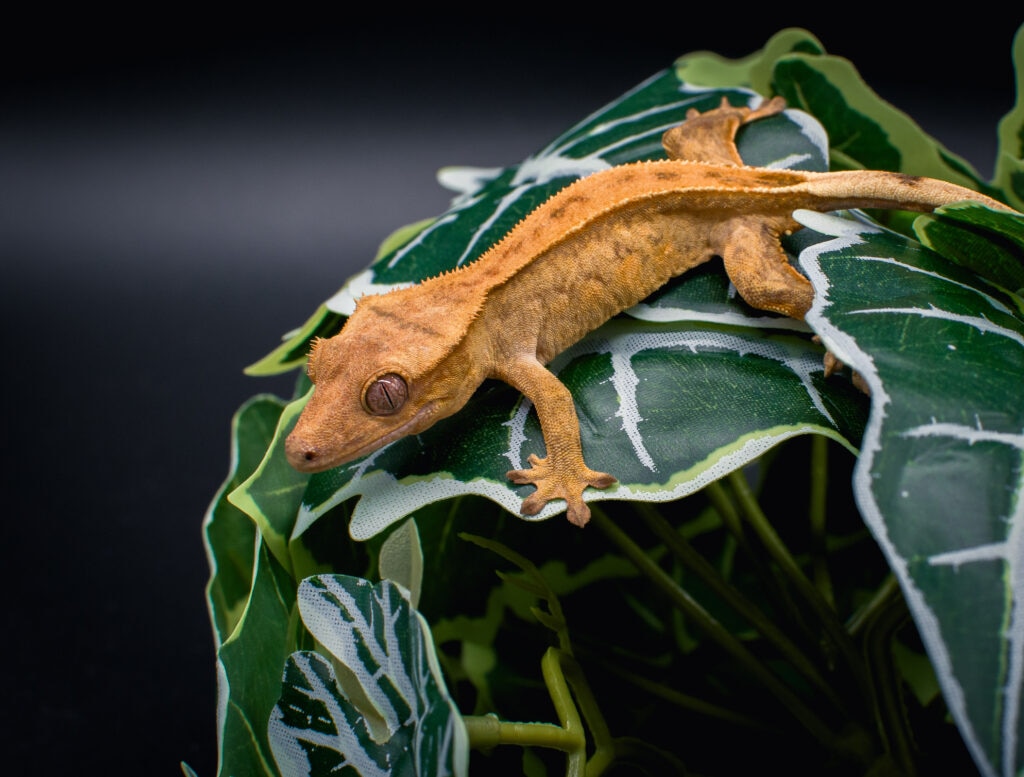

Here S Why Your Crested Gecko Screams 2026 Pet Engineers Crested Gecko 4 . Crested Gecko Care Sheet Chewy Crested Gecko 1024x777 . How To Tell Leopard Gecko Gender A Complete Guide Leopard Gecko.webp. Top 10 Gecko Species That Make Great Pets . Leopard Geckos Are A Low Maintenance Pet That Can Live To 20 Years Old L Intro 1743695282



Tokay Gecko Growth And Size Chart Your Guide For 2026 Pet Engineers Baby Tokay Geckos . Amazing Types Of Geckos And Its Care Guide Pets Nurturing Gecko Pet . The Tokay Gecko Species Overview 2026 Pet Engineers Tokay Gecko Close Up . Crested Gecko Humidity Your Guide For 2026 Pet Engineers Two Crested Gecko Morphs . The Tokay Gecko Species Overview 2026 Pet Engineers Tokay Gecko Bite

Different Types Of Pet Geckos At Paul Prescott Blog Crested Gecko . Pet Only Leopard Gecko By Geckoboa DSC 9294. Fat Gargoyle Gecko Your Guide For 2026 Pet Engineers Fat Gargoyle Gecko . Are Geckos Good Pets Com Pet Lizard Leopard Gecko . Printable Leopard Gecko Care Sheet Printable Free Templates Leopard Gecko6 1200x1200 Orig


The Tokay Gecko Species Overview 2026 Pet Engineers Tokay Gecko Eating . Crested Gecko Vs Tokay Gecko Which Is Better As A Pet In 2026 Pet Tokay Gecko Vs Crested Gecko . Tokay Gecko Diet Your Guide For 2026 Pet Engineers Tokay Gecko Diet 1536x864 . Dead Crested Gecko Reasons Signs And Lessons 2026 Pet Engineers Crested Gecko 3 1 . Leopard Gecko Your Source For Leopard Gecko Information




Dead Crested Gecko Reasons Signs And Lessons 2026 Pet Engineers Metabolic Bone Disease Affecting Crested Gecko . How To Get A US Pet Passport In 2026 A Complete Guide The Vet Desk Halloween Crested Gecko On Leaf Jeff McGraw . Amazon Com Leopard Gecko Wall Calendar 2026 Gift For Leopard Gecko AC SL1500 . Crested Gecko Accessories Supplies Your For Guide 2026 Pet Engineers Crested Gecko . Guide Complet Du Gecko Cr Te En 2026 TerraLife Guide Complet Du Gecko A Crete En 2026 9564181


Dead Crested Gecko Reasons Signs And Lessons 2026 Pet Engineers Dead Crested Gecko . Best Pet Geckos An In Depth Guide To Choosing And Caring For Geckos Best Pet Geckos.webp. Crested Gecko Behaviour Guide 101 How To Understand Crested Gecko Body Crested Gecko 6 . Pet Leopard Gecko By Noble Family Fauna IMG 6284. Com Gecko Breeder Leopard Geckos For Sale Gecko Care Best Reptile Pets For Handling Leopard Gecko Beginner Pet Lizard 1600x1200