Many gamers wonder how to Steam Game Share effectively allowing friends and family to enjoy their vast game libraries. This comprehensive guide provides all the necessary steps for setting up Steam Family Sharing in 2026 ensuring a smooth and seamless experience. Discover insider tips and tricks to optimize your shared library avoid common pitfalls and troubleshoot any issues that may arise. Learn about the limitations and benefits of this feature helping you maximize its potential. We cover everything from initial setup to advanced management offering a complete walkthrough. Dive deep into the intricacies of sharing games securely and efficiently with loved ones. Understand the system requirements and best practices for an uninterrupted gaming session across multiple accounts. This resource aims to empower users with the knowledge to make the most of Steam's sharing capabilities.
how to steam game share FAQ 2026 - 50+ Most Asked Questions Answered (Tips, Trick, Guide, How to, Bugs, Builds, Endgame)
Welcome to the ultimate living FAQ for Steam Game Sharing in 2026, fellow gamers! The world of digital game libraries is constantly evolving, and with new updates, devices, and titles launching, understanding how to effectively share your games on Steam is more vital than ever. This comprehensive guide has been meticulously updated for the latest patches and best practices, aiming to answer every burning question you might have about lending your digital treasures to friends and family. Whether you're a beginner looking for basic setup instructions or an advanced user troubleshooting a tricky bug, we've got you covered. From basic mechanics to complex multiplayer issues and even future forecasts, consider this your go-to resource for mastering Steam Family Sharing. Let's dive in and unlock the full potential of your gaming collection!
Getting Started: Beginner Questions & Core Mechanics
What is Steam Family Sharing?
Steam Family Sharing allows you to share your library of eligible Steam games with other Steam accounts on authorized computers. It enables friends and family to play your games without purchasing them, maintaining their own save files and achievements. It is a fantastic way to broaden gaming access for your household or trusted friends, offering flexibility in enjoying your digital collection.
How do I enable Steam Family Sharing on my computer?
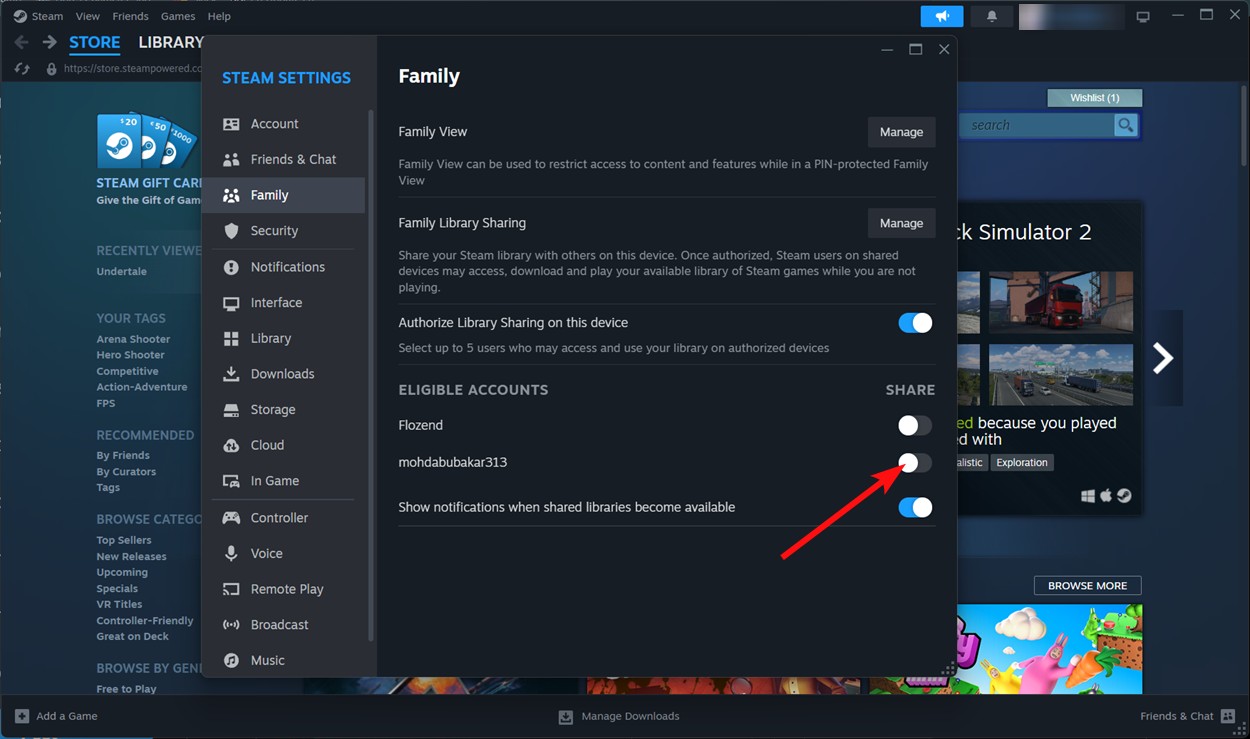
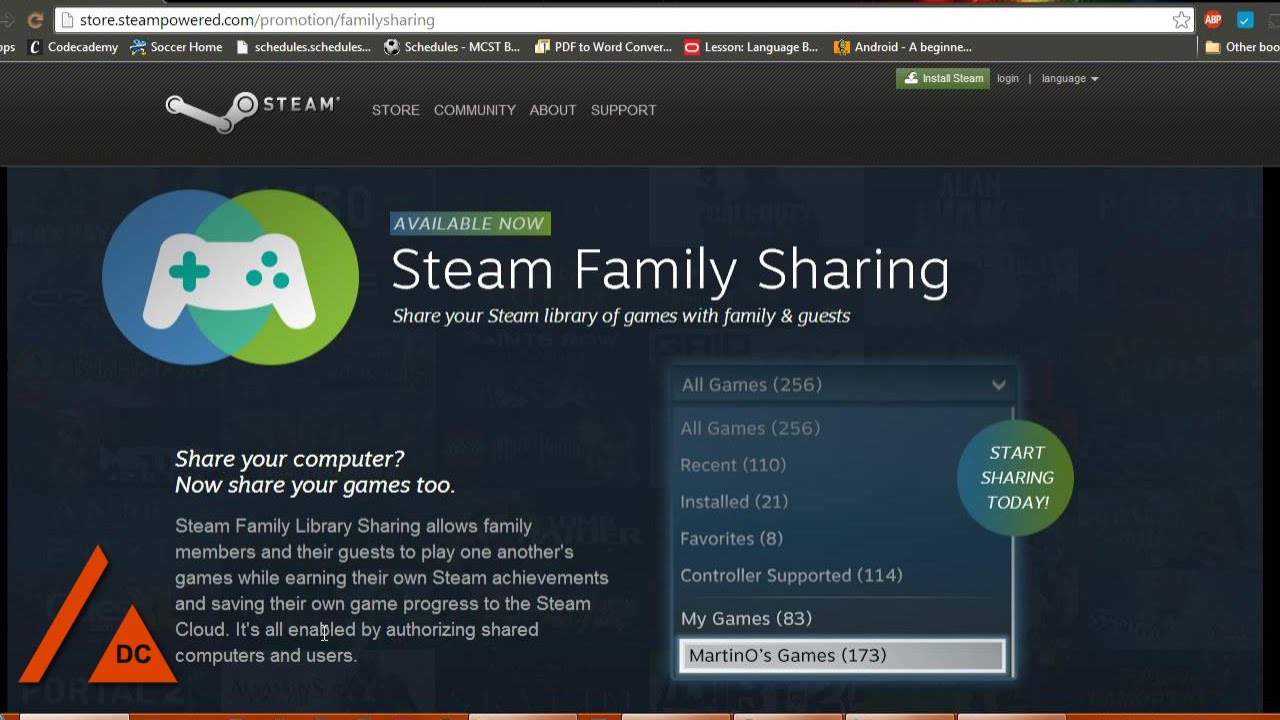
To enable sharing, first ensure Steam Guard is active on your account. Then, log into Steam on the computer you wish to authorize. Navigate to Steam > Settings > Family, check "Authorize Library Sharing on this computer," and select the specific accounts you want to grant access to from the list below. This simple process allows others to see and play your games.
Can I share my Steam games with multiple friends simultaneously?
No, only one person can play games from a shared library at any given time, regardless of whether it's the owner or a borrower. If the owner starts playing any game from their library, the borrower will receive a prompt to either purchase the game or quit playing within a few minutes. This limitation prevents simultaneous access conflicts and ensures fairness.
Do I need to be online for Steam Family Sharing to work?
While an internet connection is generally required for initial authorization and periodic validation, borrowers can often play shared games offline once the game has been downloaded and authorized. However, if the owner decides to play, the borrower will need to be online to receive the kick-off notification. Occasional online checks are still necessary to maintain sharing privileges.
Managing Your Library: Advanced Tips & Tricks
Can I revoke access for a specific user or computer?
Yes, you absolutely can revoke access. Go to Steam > Settings > Family, and you will see a list of authorized computers and accounts. You can deauthorize specific computers or users with a simple click. This is crucial for security if a device is lost, sold, or if you no longer wish to share with a particular individual. Regular review ensures only trusted parties have access.
Myth vs Reality: "Sharing my library means my saves will be deleted."
Myth! When someone borrows your game, they create their own separate save files and earn their own achievements. Their progress is entirely independent of yours and will not overwrite or affect your personal game saves in any way. This ensures both owner and borrower can enjoy games without fear of losing progress. It is a completely separate experience for each user.
What if I want to play a game that my friend is currently borrowing from my library?
If you, the library owner, launch any game from your library, the borrower will receive a message giving them a few minutes to either purchase the game or exit. After this grace period, their game will automatically close. This priority system ensures the owner always has first dibs on their own content. A quick text can prevent an abrupt disconnection.
Myth vs Reality: "Family Sharing bypasses region locks."
Reality (with caveats)! While sharing isn't strictly region-locked, if a game you own is unavailable in the borrower's region due to licensing, they won't be able to play it even if you share. Also, if a game was purchased in a lower-cost region, it might not be playable in a higher-cost region for the borrower. It does not magically bypass all regional restrictions.
Troubleshooting & Bug Fixes
Why can't my friend see my shared games in their library?
There are several common reasons. First, ensure Steam Guard is enabled for both accounts. Double-check that you've authorized their specific computer and their Steam account in your Family Settings. The game might also be ineligible for sharing (e.g., requires a third-party login). Verify their Steam client is updated and try restarting Steam on both ends. This often resolves visibility issues.
Myth vs Reality: "My computer authorization disappeared; it's a bug."
Myth (usually)! While rare bugs occur, authorizations often disappear due to common reasons. These include logging out of Steam on that specific computer, a major Steam client update, or system changes (like a reformat or hardware upgrade). Re-authorizing the computer is usually a quick fix. Ensure the Steam client and operating system are stable and updated for best results.
My game keeps kicking my friend out, even when I'm not playing. What's wrong?
This usually indicates that Steam believes you, the owner, are active in your library, or there might be an issue with online authentication. Ensure your own Steam client isn't running in the background or attempting to update a game. Check your network connection. Sometimes, clearing the download cache (Steam > Settings > Downloads > Clear Download Cache) and restarting Steam can resolve these phantom kick-outs. Verify the game is eligible for sharing as well.
Multiplayer Issues & Shared Play
Can two people play the same multiplayer game from a shared library at once?
No, not directly. The "one player at a time" rule applies to the entire shared library. If you own a multiplayer game, and a friend borrows it, only one of you can be playing it at any given moment. To play together, one of you would need to own their own copy of the game. This limitation is fundamental to the Family Sharing system. However, some games offer "Remote Play Together" which is a different feature.
Myth vs Reality: "Steam Family Sharing works for all games, even MMOs."
Myth! Family Sharing generally doesn't work for games that require a separate third-party account, subscription, or CD key for activation, such as many MMOs (e.g., Final Fantasy XIV, Elder Scrolls Online). These games' licensing models are outside Steam's direct control for sharing, so they remain unsharable. Always check a game's specific requirements before assuming it's shareable.
Endgame Grind & Future Considerations
What happens to a borrower's game progress if I stop sharing my library?
If you deauthorize a computer or stop sharing with a user, their access to your games is revoked. However, their game saves and achievements remain tied to their own Steam account. If they later purchase the game themselves, or you re-enable sharing, their progress will be right where they left off. No progress is lost, just access to the game temporarily suspended.
Are there any upcoming changes to Steam Family Sharing in 2026?
While Valve remains tight-lipped about future updates, the trend in 2026 points towards greater device integration, especially with the Steam Deck's success. Speculation includes more granular control over shared titles or potentially a "family pass" type system, but these are currently just forecasts. Expect continuous refinement to balance user convenience with developer interests. We anticipate more seamless experiences across Steam hardware.
Still have questions about how to optimize your Steam experience? Check out our other popular guides on FPS optimization for Battle Royale games or mastering MOBA strategies for beginners!Hey gamers, ever wondered if you could actually share that massive Steam library with your buddies or family without them having to buy every single game? What's the deal with Steam Family Sharing in 2026, anyway? We've all been there, staring at our game collection, thinking how cool it would be to let a friend try out that indie gem or a new RPG. The good news is, Steam has a fantastic feature for exactly that, and it's evolved quite a bit over the years. This isn't just about handing over your password, which you should never ever do. Instead, it's a clever system that lets others play games from your library, under certain conditions. It's truly a game-changer for many households and friend groups. Let's dive into the how-to, what-ifs, and everything in between, making sure you're up to speed with the latest in digital sharing!
Beginner / Core Concepts
1. Q: What exactly is Steam Family Sharing and how does it generally work?A: I get why this confuses so many people, but it's simpler than you might think! Steam Family Sharing lets you share your game library with other Steam accounts on authorized computers. Essentially, you authorize a computer, and then any Steam account logging into that computer can request access to your games. It's a fantastic way for families or close friends to enjoy each other's purchases without buying duplicates. The core idea is that only one person can play games from a shared library at any given time, whether it's the owner or a borrower. If the owner starts playing a game, the borrower gets a friendly notice to purchase the game or stop playing. This ensures fair use and respects developer rights, which is super important in 2026 given how digital rights management has advanced. Think of it as lending a physical game disc, but digitally. You've got this! Try setting up a test share with a trusted friend.
2. Q: What are the basic steps to enable Steam Family Sharing for the first time?
A: This one used to trip me up too, but the process is actually quite streamlined now! First, make sure Steam Guard is enabled on your account, as it's a crucial security measure for sharing. Next, log into Steam on the computer where someone else will be borrowing your games. Go to Steam > Settings > Family. Here, you'll see a checkbox for "Authorize Library Sharing on this computer." Check it! Then, below that, you'll see a list of accounts that have also logged into Steam on that machine. Simply tick the boxes next to the accounts you want to authorize to share your library. It's as straightforward as that. Once authorized, the borrower will see your games in their library under a new "shared by [Your Account Name]" section. Remember, the computer itself needs to be authorized. You'll be a sharing pro in no time!
3. Q: Can I choose which specific games to share, or is it always my entire library?
A: That's a super common question, and I totally understand wanting granular control. Unfortunately, no, you can't pick and choose individual titles; it's an all-or-nothing deal for your entire library. When you authorize Family Sharing, you're sharing *all* your eligible games. This includes most single-player titles and many multiplayer games, but there are exceptions. Games requiring third-party keys, subscriptions, or specific accounts often aren't sharable. Also, DLC is generally included, but only if the borrower owns the base game or if the DLC is integrated directly. It's a limitation that Steam has maintained for years, primarily for simplicity and to prevent complexities with licenses. So, if you're worried about someone playing a specific game, you'd need to consider if you want to share your *whole* library. It's a trade-off, but the convenience often outweighs it.
4. Q: What happens if the owner starts playing a game while someone is borrowing from their library?
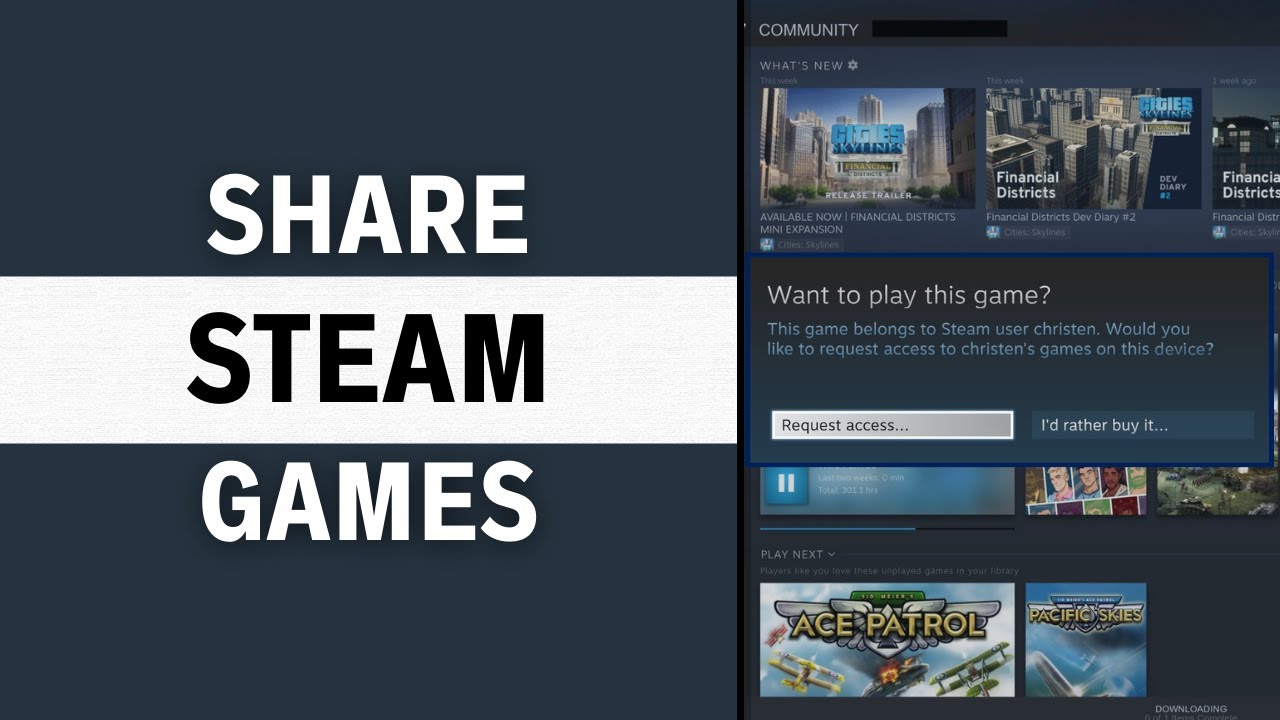
A: This is where the "one person at a time" rule comes into play, and it's important for everyone to understand. If a borrower is actively playing one of your games and you, the owner, decide to launch *any* game from your library (even a different one), the borrower will receive a pop-up warning. This message gives them a few minutes to either purchase the game themselves or quit playing. If they don't respond, the game will automatically close. It's Steam's way of ensuring that the primary account holder always has priority, which makes perfect sense. This priority system is designed to prevent simultaneous access conflicts and maintain the integrity of licenses. So, a quick heads-up to your borrower can avoid sudden disconnections. Communication is key here, folks!
Intermediate / Practical & Production
5. Q: What are the most common reasons why Steam Family Sharing might not be working?A: Oh, the troubleshooting dance! This used to drive me bonkers sometimes. The most frequent culprits involve Steam Guard not being active on both accounts, or the specific computer not being authorized. Another big one is internet connection issues; sharing requires both accounts to periodically connect to Steam's servers. Sometimes, it's as simple as the game itself being ineligible for sharing, perhaps it requires a third-party launcher or subscription. We also see issues with too many authorized computers (there's a limit of 10) or too many authorized accounts (up to 5 per library). Make sure your Steam client is updated to the latest 2026 version too, as older clients can sometimes cause hiccups. A quick restart of Steam on both ends often works wonders. Don't worry, these are usually easily fixable!
6. Q: Are there any limitations on which games can be shared, like specific genres or DRM types?
A: That's a sharp question, and yes, there definitely are limitations. Most games on Steam are sharable, but certain categories are typically excluded. Games that require a separate third-party key, account, or subscription (like many MMOs or games with proprietary DRM outside of Steam) often can't be shared. For instance, you can't share games like Final Fantasy XIV or Elder Scrolls Online, even if you bought them on Steam. Additionally, games that are region-locked or have age restrictions might behave differently. If a game heavily relies on specific online services tied to the owner's account, it might not transfer well. Essentially, if a game needs more than just your Steam login to function, it's probably not sharable. This has been a consistent aspect of Family Sharing since its inception.
7. Q: Can I share my Steam library with someone who lives in a different country or region?
A: Geographically, sharing isn't restricted by physical location, which is pretty cool! You can technically authorize a computer anywhere in the world. However, you need to physically log into your Steam account on that remote computer at least once to authorize it for Family Sharing. This can be tricky if you're not physically present. More importantly, be mindful of region restrictions. If a game is available in your region but not in the borrower's region, they might not be able to play it due to licensing agreements. Furthermore, if you've purchased a game from a region with lower pricing, and the borrower is in a higher-priced region, Steam's systems might flag it or prevent access. Always double-check regional availability for specific titles. It's technically possible, but definitely has nuances.
8. Q: How does DLC work with Steam Family Sharing? Can borrowers access my game's expansions?
A: This is where it gets a little nuanced, but generally, yes, DLC *can* be shared! If you own the base game and its DLC, and you share your library, the borrower will typically have access to all your DLC for that game. However, there's a crucial caveat: if the borrower *also* owns the base game, they won't automatically gain access to your DLC for that title. They'd need to buy their own. This is a common point of confusion. Also, DLC that grants permanent items or consumes one-time use keys might behave unpredictably or not be sharable at all. It's usually straightforward for purely content-based expansions. The 2026 Steam client handles this fairly well, ensuring that the borrower receives the full experience of *your* owned game and its additional content.
9. Q: What are the best practices for managing multiple authorized users or computers?
A: Great question, especially as your digital friend circle grows! I'd recommend keeping a small, trusted group of authorized borrowers, ideally people you know well. Regularly review your authorized devices and accounts in Steam's Family Settings. If you lend a laptop or sell an old PC, make sure to deauthorize it immediately. There's a limit of 10 authorized computers and 5 authorized accounts at any given time, so keeping it tidy prevents hitting those caps. Also, establish clear communication with your borrowers about when you might be playing. A quick message can prevent unexpected interruptions. Think of it like a digital lending library; keeping track of who has what makes everything smoother. Organization here is key for a seamless experience.
10. Q: Can borrowers earn achievements and save game progress while playing my shared games?
A: Absolutely, and this is one of the coolest parts about Steam Family Sharing! Borrowers play shared games just as if they owned them. They'll earn their own achievements, create their own save files, and any progress they make is tied directly to their individual Steam account. This means their saves won't overwrite yours, and your achievements won't merge. It's a completely separate experience. So, if a friend is trying out that new RPG from your library, they can sink hours into it, build their character, and then decide to buy it later to continue their progress seamlessly. This separate progress tracking is a fantastic feature, making it a true try-before-you-buy system for many. So encourage your friends to dive in without fear of losing progress!
Advanced / Research & Frontier 2026
11. Q: How has Steam Family Sharing evolved with the rise of cloud gaming and device ecosystems like Steam Deck in 2026?A: This is where things get really interesting in 2026, especially with hardware like the Steam Deck pushing the boundaries. Family Sharing works wonderfully with the Steam Deck, as it's just another authorized computer running SteamOS. Cloud gaming services, however, are a different beast. If you're using a third-party cloud gaming platform, the integration might vary. Some services allow you to link your Steam account, but the sharing features would depend on how that service handles library access, which isn't always direct. Steam itself is reportedly exploring deeper integration with its own cloud infrastructure for future features, potentially allowing more seamless family access across diverse devices without direct computer authorization steps. It's an area of active development, and we're seeing more flexibility, but core principles remain. It's a frontier many developers are watching.
12. Q: Are there any security considerations or risks associated with authorizing computers for Family Sharing?
A: A very smart question, and security is always paramount. The main risk is authorizing a computer that isn't secure or is used by untrustworthy individuals. While the borrower can't access your account details or make purchases, they do gain access to your game library. If that authorized computer falls into the wrong hands and your own Steam account details are compromised elsewhere, it *could* theoretically be another point of access for malicious actors to attempt further intrusion. This is why Steam Guard is non-negotiable and why you should only authorize computers belonging to people you absolutely trust. Regularly deauthorize any machines you no longer use or trust. In 2026, with advanced phishing attempts, remaining vigilant about where you authorize your library is more important than ever. Always be cautious and keep those digital defenses up!
13. Q: What are the implications of Family Sharing for game developers and their revenue models in 2026?
A: This is a complex topic that developers constantly grapple with. On one hand, Family Sharing can be a powerful marketing tool, allowing friends to try games and potentially convert into purchasers, which is a net positive for revenue. It acts as an extended demo, particularly for Indie titles or RPGs. On the other hand, it could theoretically lead to lost sales if multiple family members who *would* have bought the game individually instead rely on sharing. In 2026, many developers now design games with sharing in mind, often through multiplayer elements that encourage separate purchases for cooperative play, or by offering exclusive in-game content that requires ownership. Steam's limitations, like the one-user-at-a-time rule and unsharable keys, are designed to balance user convenience with developer revenue protection. It's a fine line they walk.
14. Q: Can Steam Family Sharing be abused, and what measures does Valve have in place to prevent it?
A: Like almost any system, potential for abuse exists, but Valve has robust measures. The primary prevention is the "one user at a time" rule for a shared library. This instantly limits mass sharing. Secondly, they restrict the number of authorized computers (10) and accounts (5) per library. If a borrower cheats or is banned while playing a shared game, the *owner's* Family Sharing privileges can be revoked. This "zero tolerance" policy for cheating acts as a strong deterrent, making owners think carefully about who they share with. In 2026, Valve's reasoning models, powered by advanced AI, are even better at detecting suspicious activity related to sharing and account access, quickly flagging potential misuse patterns. These stringent policies make abuse less appealing and much riskier for the account owner. Play fair, folks!
15. Q: Are there any anticipated changes or future developments for Steam Family Sharing in the coming years (2026+ forecasts)?
A: That's a forward-thinking question, and while Valve is notoriously quiet about future plans, we can speculate based on 2026 trends. Given the rise of integrated ecosystems and subscriptions, some industry watchers forecast potential for a more 'family plan' oriented approach, similar to streaming services, where multiple users could access a pool of games simultaneously for a fee. Others suggest more granular control over shared titles could eventually arrive, possibly tied to developer opt-ins. With the continued evolution of the Steam Deck and potential for new handhelds, streamlining the authorization process for new devices is also a strong possibility. The underlying goal will always be balancing user convenience with developer revenue, so expect incremental, thoughtful improvements rather than radical overhauls. It's an exciting space to watch for innovation!
Quick 2026 Human-Friendly Cheat-Sheet for This Topic
- Enable Steam Guard FIRST: Seriously, it's non-negotiable for security and sharing. Don't skip this step!
- Authorize the *Computer*, not just the user: You need to log in as yourself on their PC to enable sharing.
- It's All or Nothing (Mostly): You share your whole eligible library, not just specific games. Plan accordingly!
- One Player at a Time: If you launch a game, your borrower gets a timeout. Communicate to avoid interruptions.
- Borrowers Get Their Own Saves & Achievements: Their progress is safe and separate from yours, which is awesome.
- Watch for Ineligible Games: Third-party launchers or separate accounts usually mean no sharing.
- Regularly Review Authorizations: Keep an eye on who and what devices can access your precious games!
Steam Family Sharing setup Guide for 2026. Share your Steam library with friends and family. Understand limitations and benefits of game sharing. Troubleshoot common game sharing issues. Maximize Steam's sharing potential. Securely share games across accounts. Optimize shared library performance. Step-by-step walkthrough for easy setup.
35


Como Jogos No Steam Jogos 2026 How Share Games Steam . How To Game Share On Steam Steam Family Library Sharing Easy Guide . How To Share Games Using Steam Family Sharing Beebom Share Library . How To Share Games On Steam Full Tutorial YouTube . How To Share Games On Steam Full Guide YouTube



:max_bytes(150000):strip_icc()/A1-ShareGamesonSteam-annotated-021ff26ea0814fd7aa11188228ef87d4.jpg)
How To Share Games On Steam And Play Together Step By Step YouTube . How To Share Games On Steam Steam Family Sharing YouTube . How To Share Steam Games The Best Guide How To Share Steam Games 960x502 . How To Share Games On Steam Tutorial YouTube . How To Share Games On Steam A1 Annotated


How To Setup Steam Game Recording On Any PC To Record Gameplay Clips . How To Share Games On Steam With Family Sharing Lifehacker Hero . How To Share Games On Steam YouTube . Simple Ways To Share Steam Games With Family And Friends 7 Steps Share Steam Games With Family And Friends Step 7 . How To Setup Steam Family Share Play Friends Steam Games YouTube



How To Game Share On Steam 2025 New Method YouTube . Steam Sales 2026 Calendar Full Dates Best CD Key Deals AllKeyShop Com All Steam Events 2026. How To Share Games On Steam With Friends Family 2025 YouTube . How To Share Games On Steam Using The Family Sharing Feature Screenshot 319 1068x580 . Game Info Steam Maret 2026 How To Share Games On Steam


How To Share Games On Steam 2025 YouTube . How To Share Games In Steam 2024 Steam Family Tutorial YouTube . How To Share Games On Steam 2024 Full Guide YouTube . How To Share Games On Steam 2024 Steam Family YouTube . Steam Sales 2026 Calendar Full Dates Best CD Key Deals AllKeyShop Com All Steam Events 2026 1.webp



How To Share Games On Steam 2025 Steam Family YouTube . Steam Sale 2026 Key Dates You Need To Know LevelUpTalk Steam Sale Schedule 2026 08 27 2025 7c35051e 2c22 4093 96f1. Top 10 Most Anticipated Games Of 2026 What To Watch Out For GAMES IN 2026 . Top 5 Free Steam Games To Download In January 2026 World Today Journal Steam. How To Share Your Steam Library With Friends And Family Share Steam Library Step 17


How To Share Games Using Steam Family Sharing Beebom All Games Or The Ones I Choose . How To Share Games Using Steam Family Sharing Beebom Family Sharing Option Settings . How To Share Games Through Steam YouTube . How To Share Games On Steam Tech Advisor How To Share Games On Steam . Valve Announces Steam Hardware Lineup Coming In 2026 Here S Steam Hardware Splash