Ever wondered what scrims gaming truly entails and why professional players swear by this intense practice method? This comprehensive guide dives deep into the world of competitive scrimmages, explaining their crucial role in esports. Learn how organized team practice helps refine strategies, improve communication, and build invaluable synergy among players. We will explore the different types of scrims, from casual internal sessions to highly competitive matchups against top-tier opponents. Discover how to effectively utilize scrims to elevate your individual skill and team performance, preparing you for the high stakes of ranked play and professional tournaments. Understanding scrims is essential for any aspiring esports athlete looking to gain a significant competitive edge and climb the ranks in 2026. This resource will provide you with all the necessary insights.
what are scrims gaming FAQ 2026 - 50+ Most Asked Questions Answered (Tips, Trick, Guide, How to, Bugs, Builds, Endgame)
Welcome to the ultimate living FAQ for what are scrims gaming, freshly updated for the latest 2026 competitive gaming landscape! Whether you're a beginner just dipping your toes into esports or a seasoned player looking for advanced strategies and fixes, this guide has you covered. We've compiled over 50 of the most asked questions, from fundamental concepts to intricate builds, multiplayer issues, endgame grinds, and common bugs with their solutions. Our goal is to provide honest, detailed answers, along with practical tips and tricks, to help you master the art of competitive practice. This comprehensive resource will continuously evolve with new patches and meta changes.
Beginner Scrims Questions
What does 'scrims' mean in gaming?
Scrims are organized practice matches between two esports teams, designed for strategic development and teamwork improvement. They provide a controlled environment to test new tactics and refine communication without the pressures of public ranked play.
Why are scrims important for esports teams?
Scrims are crucial for team synergy, allowing players to practice specific strategies, improve communication, and adapt to different opponent playstyles. This structured practice accelerates skill development far beyond casual matchmaking. They are vital for competitive success.
How do casual players benefit from understanding scrims?
Even casual players can benefit by applying scrims' principles of deliberate practice and teamwork to their own play. Focusing on communication and objective-based strategy can significantly improve their performance in any team-based game mode.
Team Dynamics & Communication
How vital is communication during scrims?
Communication is paramount in scrims. Clear, concise, and timely callouts are essential for coordinated plays, rotations, and decision-making. Effective communication helps teams react quickly and execute strategies flawlessly under pressure, leading to better outcomes.
What's the best way to give feedback during a scrim session?
Feedback should be constructive and focused on the play, not the player. Provide specific examples and suggest actionable improvements. It's best to save detailed feedback for post-scrim review sessions to avoid disrupting the live game flow.
Strategic Development
How do teams use scrims to develop new strategies?
Teams use scrims as a laboratory to experiment with new tactics, compositions, and approaches in a low-stakes environment. They can test different objective pushes, defensive setups, and mid-game adjustments to see what works against various opponents.
Can scrims help in counter-strategy development?
Absolutely. By regularly scrimming against diverse teams, you expose your squad to various playstyles. This exposure helps identify common opponent strategies and allows your team to practice developing and executing effective counter-strategies.
Hardware & Optimization (Myth vs Reality)
Myth: High ping always means you're bad at gaming.
Reality: While high ping certainly hinders performance, it doesn't indicate player skill. It's a technical issue related to internet connection and server distance. Even pro players struggle with high ping, which can lead to lag and stuttering fix issues.
Is optimizing game settings truly necessary for scrims?
Yes, absolutely. Optimal game settings ensure consistent FPS (frames per second), reducing any FPS drop or lag. This provides a fair and smooth experience, allowing players to focus entirely on strategy and teamwork rather than technical difficulties.
Finding Scrims & Scheduling
Where can teams find reliable scrim partners?
Reliable scrim partners are often found through dedicated Discord servers, esports community forums, or by networking within the competitive scene. Many games have specific LFG (Looking For Group) channels for competitive team practice.
What's a good frequency for scrim sessions?
A good frequency is typically 3-5 times a week, with sessions lasting 2-4 hours. Consistency builds routine and team synergy. This schedule allows for ample practice, VOD review, and individual skill development without burnout.
Meta & Patch Adaptations
How do patch updates affect scrim strategies?
Major patch updates can drastically alter the game's meta. Scrims become essential for quickly adapting to new hero changes, item reworks, or map adjustments. Teams use early scrims to test new power spikes and develop strategies around them.
Mental Game & Team Health
How important is team morale during scrims?
Team morale is crucial. A positive and supportive environment fosters better learning and communication. Maintaining high morale, even after losses, ensures players stay motivated and committed to improvement. It builds resilience.
Esports Path & Progression
Do professional teams scrim daily?
Many professional teams scrim daily, often for several hours, treating it like a full-time job. Their schedules are intense, combining scrims with VOD review, individual practice, and strategic discussions to maintain peak performance.
Common Scrim Issues & Fixes
How to fix common desync or lag issues during scrims?
Desync or lag often stems from poor internet connection or server issues. Ensure all players have stable connections, close background applications, and consider using wired connections. Sometimes, connecting to a different game server can also help.
Myth vs Reality
Myth: Winning every scrim is the goal.
Reality: While winning feels good, the primary goal of scrims is learning and improvement, not just winning. Experimenting and identifying weaknesses are more valuable than a flawless but stagnant record. Focus on growth over a win count.
Myth: Scrims are only for top-tier professional players.
Reality: While professional teams heavily rely on scrims, teams at any competitive level can benefit. Organized practice helps any group improve coordination and strategy, regardless of their current ranking. It’s about commitment to improvement.
Myth: You should always play safe during scrims.
Reality: Scrims are the perfect environment to take calculated risks and experiment. Playing too safely limits learning opportunities. Push boundaries to discover new limits and understand consequences without ranked point penalties.
Myth: Individual stats are the most important thing in scrims.
Reality: Team synergy and strategic execution outweigh individual statistics in scrims. While personal performance matters, the focus is on how well the team functions as a unit and executes its game plan. Collective improvement is key.
Still have questions? Check out our guides on 'Optimizing FPS for Competitive Play' or 'Advanced Team Communication Strategies' for more in-depth insights!Ever wondered, what are scrims gaming and why do pro gamers talk about them constantly? In the fast-paced world of esports, where every millisecond counts, teams are always searching for an edge. It is not just about raw talent anymore, but about synchronized teamwork and flawless execution. Scrims are the secret sauce many top-tier squads use to achieve this elite level of play. This dedicated practice transforms individual stars into an unstoppable collective force. The intensity of these sessions mimics real tournament pressure very closely.
We are going to pull back the curtain on this vital aspect of competitive gaming. We will explore how these organized practice matches shape champions. From understanding team compositions to adapting strategies on the fly, scrims cover every angle. Getting your team together for regular scrimmages is one of the best ways to improve. It truly distinguishes casual play from serious competitive ambition among gaming enthusiasts.
The Core of Competitive Gaming Scrims
Scrims, short for scrimmages, are essentially practice matches played between two organized teams. These are not your average ranked games; they are highly structured and goal-oriented sessions. Teams enter scrims with specific objectives, like testing new strategies or perfecting their team compositions. The environment is designed for learning and improvement, not just winning. It is about understanding strengths and weaknesses in a controlled setting. This method accelerates growth faster than public matchmaking ever could for teams.
Why Scrims Are Essential for Esports Teams
Imagine your favorite esports team. Do you think they just queue up for ranked games all day? Not at all. They are deep in scrims, rigorously training to become better. Scrims allow teams to experiment with diverse tactics without the public's watchful eye. They provide invaluable feedback on communication, shot-calling, and objective control. This iterative process of practice and review is indispensable for any squad aiming for the top. Many new 2026 esports titles emphasize complex team play, making scrims even more critical.
- Scrims foster superior team communication under pressure.
- They enable strategic development and counter-strategy refinement.
- Players learn to adapt to various opponent playstyles efficiently.
- Identifies individual and collective performance gaps for improvement.
- Simulates tournament conditions, reducing competitive stage fright.
Optimizing Your Scrims Experience
Effective scrims require more than just showing up and playing. Teams must approach these sessions with a clear plan and a professional mindset. Proper preparation involves pre-scrim discussions about strategies and post-scrim reviews of gameplay footage. Analyzing VODs (video on demand) is a critical component for identifying errors and celebrating successful plays. This analytical approach helps translate practice into tangible results during actual competitions. Settings optimization also plays a crucial role for every player on the team.
Maximizing Performance During Scrimmages
Every player wants to perform their best when it matters most, including during intense scrims. Ensuring stable FPS (frames per second) and minimal ping is fundamental for fair play. Addressing any FPS drop or stuttering fix issues before scrims begin is vital. Regularly updating drivers and optimizing your in-game settings prevents technical hindrances. A smooth gaming experience allows players to focus entirely on strategy and teamwork. No one wants to be caught by an unexpected lag spike at a critical moment.
- Prioritize stable internet connection to reduce ping.
- Adjust graphics settings for consistent high FPS.
- Use quality gaming peripherals like a mechanical keyboard and gaming mouse.
- Ensure voice communication software is clear and reliable.
- Maintain a positive and constructive attitude throughout the session.
Advanced Scrim Strategies and Future Trends (2026)
As esports continues its rapid evolution, so do scrim strategies. In 2026, data analytics and AI-driven insights are becoming integral to post-scrim analysis. Teams use sophisticated software to track player performance metrics, map out common enemy rotations, and predict opponent strategies. The meta (most effective tactics available) evolves incredibly quickly across FPS (First-Person Shooter), MOBA (Multiplayer Online Battle Arena), and Battle Royale titles. Staying ahead means constantly refining your approach.
The Role of AI and Data in Modern Scrims
The future of scrims gaming is deeply intertwined with technological advancements. AI models are now capable of analyzing gameplay footage to suggest optimal strategies and highlight individual player tendencies. This granular data provides coaches with unprecedented insights for team development. Predictive analytics helps teams prepare for specific opponents with tailored counter-strategies. The competitive landscape for Indie games and larger MMOs is also benefiting from this data-driven approach. Teams that leverage these tools gain a significant competitive advantage over their rivals.
- AI coaches offer real-time feedback during practice sessions.
- Predictive models simulate opponent behaviors for strategic planning.
- Data-driven insights inform hero picks and banned options in MOBAs.
- Automated VOD review systems streamline post-scrim analysis.
- Virtual Reality (VR) training simulations are emerging for tactical execution.
Quick 2026 Human-Friendly Cheat-Sheet for This Topic
- Treat scrims like real matches; your effort matters every time.
- Communicate clearly and concisely with your teammates.
- Always review your VODs to spot mistakes and successes.
- Experiment with new loadouts and strategies; that's what practice is for.
- Keep your PC optimized: updated drivers, low ping, and high FPS are crucial.
- Stay positive and learn from every loss; it is all part of the process.
- Connect with other teams to organize regular and diverse scrim opportunities.
Beginner / Core Concepts
1. Q: What exactly are scrims in gaming?A: Scrims, or scrimmages, are organized practice matches between two competitive teams, often in esports titles. They aren't casual games; instead, they serve as dedicated training sessions for teams to test strategies, improve coordination, and refine their gameplay in a competitive yet low-pressure environment. Think of them like a sports team practicing against another team before a big game. They're critical for team development. I get why this confuses so many people when they first hear about it, but it’s really just structured practice for pro-level play. You've got this!
2. Q: Why do competitive teams bother with scrims instead of just playing ranked?
A: This one used to trip me up too! Ranked games are great for individual skill, but they often lack the structured team play and specific objectives needed for professional growth. Scrims allow teams to focus on perfecting specific strategies, practicing communication, and understanding complex team compositions without the pressure of public ladders or random teammates. It’s about controlled learning and iteration, which is much more effective for team synergy. Plus, you can experiment without losing precious ranked points. Try to think about the difference between a pickup game and a full team practice session. It makes sense, doesn't it?
3. Q: How do teams usually find other teams to scrim against?
A: That's a great practical question! Typically, teams use dedicated scrim Discord servers, online forums, or direct outreach through team managers and coaches. Many esports communities have established hubs where teams post availability or seek opponents for specific times. In 2026, we’re seeing more automated matchmaking systems for scrims too, often integrated into competitive platforms or even some game clients directly. Networking within the competitive scene is absolutely key here. It's like finding a gym buddy, but for your whole team. You'll figure it out!
4. Q: What's the main difference between a scrim and a regular public match?
A: The core difference is intent and structure. A public match is often random, chaotic, and focused on individual performance or quick fun. A scrim, however, is a deliberate, pre-arranged session where both teams have a common goal: improvement. There's usually a clear format, agreed-upon rules, and a focus on specific practice objectives. Communication is open, and both teams are often serious about learning. It's less about winning one game and more about long-term team development. Think of it as a laboratory versus a wild jungle. You got this! Try to approach your next casual game with a scrim mindset and see the difference.
Intermediate / Practical & Production
5. Q: How long do scrim sessions typically last, and what's a good schedule?A: Scrim sessions can vary, but generally, a good block is anywhere from 2 to 4 hours, depending on the game and team stamina. Many teams aim for multiple sets of games within that time, often with short breaks. For a competitive team, having a consistent schedule, say 3-5 times a week, is ideal. This builds routine and muscle memory. The key is quality over quantity, ensuring everyone is focused and learning. Don’t burn out your team with endless sessions; smart, focused practice is always better. It's like working out; consistency and proper form beat just lifting heavy. You've got this schedule thing!
6. Q: What kind of things should a team be focusing on during a scrim?
A: Oh, this is where the magic happens! During a scrim, teams should focus on specific objectives beyond just winning the game. This includes testing new strategies, refining specific plays (like objective pushes or defensive holds), improving comms, and practicing different team compositions or champion/hero drafts. It’s also a great time to experiment with individual roles and understand each player's strengths and weaknesses within the team dynamic. Don't be afraid to try risky plays – that's what practice is for! This focused approach really separates the good teams from the great ones. Think of it as a checklist of skills to master. You'll ace it!
7. Q: How important is VOD review after scrims, and how should it be done?
A: VOD (Video On Demand) review is absolutely, unequivocally CRITICAL. I can't stress this enough; it’s where the real learning happens. After a scrim, record your gameplay and review it as a team, frame by frame if necessary. Identify mistakes in positioning, communication breakdowns, misplays, and also highlight successful executions to reinforce good habits. Have an open, constructive discussion, not a blame game. Focus on 'what could we have done better?' and 'why did that happen?' instead of 'who messed up?' Tools in 2026 can even automate parts of this, flagging key moments. This is where teams truly level up. You've got this analytical mindset!
8. Q: What are common pitfalls or mistakes teams make during scrims?
A: Great question, avoiding these saves a lot of headaches! Common pitfalls include treating scrims like ranked games (not focusing on objectives), not communicating effectively, having a negative attitude or blaming teammates, and failing to do proper VOD review. Another big one is not having a clear plan or goal before entering a scrim. Also, don't get discouraged by losses; every loss is a learning opportunity. It’s easy to get frustrated, but remember, scrims are for growth, not just wins. Learn from your missteps and move forward. You'll navigate these challenges like a pro, I promise!
9. Q: How do you handle team disagreements or conflicts that arise during intense scrims?
A: Conflicts are bound to happen when emotions run high, and that's okay! The key is to address them constructively. Encourage open and respectful communication. If a disagreement arises mid-game, table it for the post-scrim review. During the review, let everyone voice their perspective calmly, focus on the strategy or decision, not the person. A good team leader or coach can mediate. Remember, you're all on the same team, working towards a common goal. Building trust and understanding is vital for long-term success. It's about building a strong unit, not letting small things fester. You've got this tough conversation skill!
10. Q: Should teams always play their strongest compositions during scrims?
A: Not necessarily, and this is an important distinction! While it’s good to practice your strongest compositions to solidify them, scrims are also the perfect place to experiment with new strategies, less common picks, or counter-meta builds. Playing only your strongest setup limits growth and adaptability. You want to expand your team’s toolkit. Think of it as developing a diverse array of weapons, not just relying on one trusty sword. However, balance is key; don't experiment so much that you lose track of your core strengths. It’s about calculated risk-taking. You're going to master this balance beautifully!
Advanced / Research & Frontier 2026
11. Q: How are AI-driven analytics impacting high-level scrim analysis in 2026?A: This is truly frontier stuff, and it’s mind-blowing! In 2026, advanced AI models are revolutionizing scrim analysis. They can process vast amounts of gameplay data to identify subtle patterns, predict opponent movements, and even suggest optimal decision trees. Imagine an AI flagging every time a specific player overextends or a team misses a crucial power-play window. These systems provide coaches with granular, unbiased insights that human eyes might miss, allowing for hyper-targeted coaching and strategy adjustments. It's like having an extra, all-seeing coach on your staff. This tech is giving teams an insane edge. You'll be leveraging this in no time!
12. Q: What role will virtual reality (VR) or augmented reality (AR) play in future scrim training?
A: This is a fascinating area of research and development! While not mainstream yet, VR/AR simulations are emerging for tactical training, especially for understanding map layouts, line-of-sight, and complex ability interactions without even loading into the actual game. Imagine walking through a map in VR, discussing choke points, and practicing coordinated pushes with your teammates as if you were there. AR could overlay real-time data or strategic indicators during live gameplay, enhancing awareness. These technologies promise to create incredibly immersive and efficient training environments, reducing the need for constant in-game load times. It’s like a digital sandbox for perfecting tactics. Very cool stuff on the horizon! You're going to see some incredible developments here.
13. Q: How do professional teams adapt their scrim routines to major patch updates or meta shifts?
A: Pro teams are incredibly agile here, and it’s a non-stop process. When a major patch drops or the meta shifts significantly, their scrim focus completely changes. The first few days are often spent in
Organized competitive practice sessions are known as scrims. Scrims focus on team coordination and strategy refinement. They are crucial for improving communication among players. Scrims help develop game sense and clutch decision-making. High-level competitive gaming relies heavily on effective scrims. Aspiring esports players must understand scrims.
35


What Is Scrims Pro Scrims A Scrimmage Tobys Counter Strike Scrims . SCRIMS AND CLASSIC FOR BGIS 2026 IN GAME QUALIFIER PRACTICE Bgmi . How Scrims Sharpen Esports Gameplay Scrimmage Dos Don Ts Hearthstone 2026 Esports Plans 1536x1024 . 2026 Scrims Esports Gaming Center Main Gaming Room At Scrims . Pro Scrims Frags Grind For Bgis 2026 Godl Esports Scrims Showdown




Pro Scrims What Are Scrims And Pro Scrims Pro Scrims . GRIND FOR BGIS 2026 SCRIMS TOURNAMENT HIGHLIGHTS Bgmi . RESUMEN DE FINAL DE SCRIMS A MATCHPOINT SCRIMS MUNDIAL APEX LEGENDS . BGMI 2026 GRIND PRACTICE SCRIMS LIVE HIGH PAID SCRIMS LOBBY . READY FOR BGIS 2026 SCRIMS HIGHLIGHTS SOLO 5 KILLS DOMINATION




BGIS 2026 Practice Match Scrims Jonathan Gaming Pmgc Scout Oar2 . Scrims Esports Gaming Center Lohnt Es Sich Aktuell F R 2026 Mit Fotos Scrims Has Custom Gaming . Fortnite Custom Scrims Pro Scrims Discord Servers 2026 Fortnite Custom Games Guide . Top 10 Most Anticipated Games Of 2026 What To Watch Out For GAMES IN 2026 . Scrim Meaning Esports Terms Explained Scrims .webp




OFFICIAL LOGO REVEAL Scrims Gaming LET S FACE THE CHALLENGES . Fortnite Builds Archives Stride Minecraft Fortnite Logo Scrims 1 . PART 9 GRIND FOR 2026 BGIS TOURNAMENT SCRIMS FRAGS . SOLO SCRIMS RANKED 5295 3885 2560 By Luchitocabj Fortnite Creative Landscape Comp . Start Playing Fortnite Scrims In Season 4 Best Servers How To Play


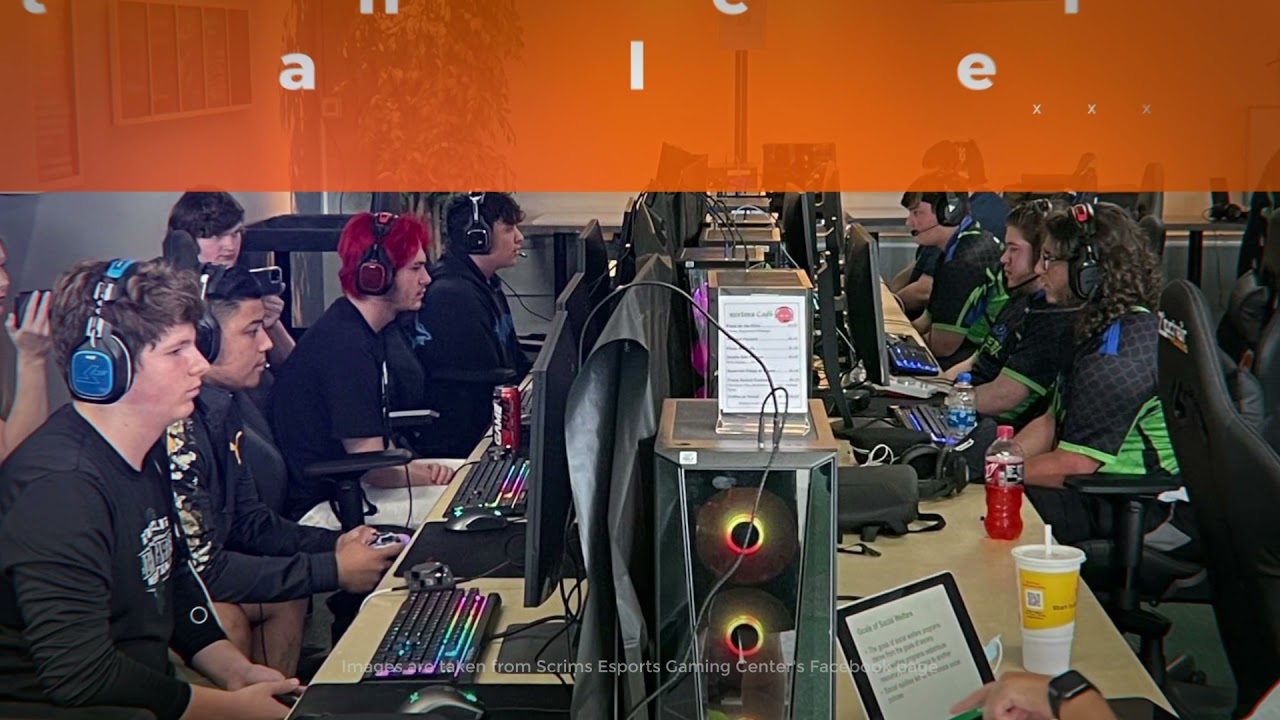
OPTIC GAMING WORLD CUP SCRIMS YouTube . Blog Booking Scrims 1024x585 . Scrims Esports Gaming Center Twitter Febe7PvWQAA 223. Og Scrims 2024 9403 8119 8906 By Best09 Fortnite Creative Map Code Landscape Comp . Scrims Esports Gaming Center Introduces Social Gaming In Lisle IL



Xbox Game Pass In 2026 The Full List Of Everything Announced So Far Large . PUBG EU Pro Scrims Game 4 24 Aug 2022 YouTube . 5 Most Anticipated Video Games For 2026 Deltia S Gaming 5 Most Anticipated Video Games For 2026 . SCRIMS VS NOWAY KARNI VININE TURNIER SCRIMS GAME 2 YouTube . How Scrims Sharpen Esports Gameplay Scrimmage Dos Don Ts Estimating Simp Career Earnings From Esports




SCRIMS RANKED Fortnite Creative Map Code Dropnite 4782 5730 8769 . Playing Scrims With My New Team Champs 2026 Roster YouTube . Scrims Projects Photos Videos Logos And Branding On . SCRIMS HIGHLIGHT DARYLS GAMING YouTube . All Video Games Releasing In 2026 2026 Video Game Release Dates Post Feature Image